Lime by Marius Aurenti
Fine Lime Paste or Marmorino, Plaster and Limewash for Walls or Ceilings
Marius Aurenti lime is a mineral material whose timeless nobility lies in its ability to let walls breathe and in the depth of its mineral pigments.
It is available as a fine lime paste for fine plasters, brushed lime finishes and limewashes, as well as in the form of Marmorino, a plaster with countless marble asperities, for interior and exterior walls.
It is applied over an adhesion primer for lime, suitable for both interior and exterior use, designed to prepare substrates before applying lime paste or Marmorino.
On old buildings or HQE constructions, lime plaster allows walls to breathe through gaseous exchanges. This natural ventilation regulates humidity and improves air quality.

Chaux Marius Aurenti
Use of Lime

FAQ about Lime
Before applying limewash, you must first ensure the quality of the substrate. A friable, porous, water-repellent or damaged substrate should not be limewashed. The substrate must be smooth and even.
If the substrate is a plaster coating, plasterboard or drywall, a coat of bonding primer must first be applied. As its name suggests, this allows the limewash to block the substrate and adhere to the surface. Then leave to dry and remove any dust.
Next, the substrate is first dampened, then the limewash is applied coat by coat with a wide brush, sponge or spalter brush, alternating horizontal and vertical coats.
Aesthetic effects can be created, such as tone-on-tone shades, cloudy effects or marbled effects, by applying a lighter coat after a darker coat, or vice versa.
To limewash a wall, aerial or hydraulic lime can be used, either in powder or paste form.
Aerial lime, based on calcium oxide and calcium hydroxide, differs from hydraulic lime, which is based on aluminates, silicates and calcium hydroxide.
Aerial lime dries slowly on contact with air and undergoes a carbonation process, whereas hydraulic lime sets quickly.
To limewash a wall, aerial or hydraulic lime can be used, either in powder or paste form.
Aerial lime, based on calcium oxide and calcium hydroxide, differs from hydraulic lime, which is based on aluminates, silicates and calcium hydroxide.
Aerial lime dries slowly on contact with air and undergoes a carbonation process, whereas hydraulic lime sets quickly.
Lime milk
Lime milk is made up of 1 volume of lime for 10 volumes of water. A certain percentage of pigment is added in relation to the volume of lime, depending on the desired colour. For example, for 100 grams of lime and 10% pigment, 10 grams of pigment would be added. A few drops of black soap are also added, acting as a wetting agent. It can be diluted further to obtain a patina.
Simple limewash
Simple limewash is made up of 1 volume of lime for 2 volumes of water, to which a percentage of pigment and a touch of black soap are added, along with approximately 2% casein or vinyl binder in relation to the weight of the lime.
Textured limewash
Textured limewash is made up of 1 volume of lime, plus 20% of its weight in Meudon white, 10% talc, and approximately 20% pigment depending on the desired colour. A fixative, casein or vinyl binder can also be added at 10% of the weight of the lime. This type of limewash is mainly used outdoors.
Lime plaster is a mixture of lime, in powder or paste form, and sand.
If hydraulic lime is used, the plaster will dry faster than with aerial lime.
Mix approximately 1 volume of lime with 3 to 5 volumes of sand.
It is then applied in 3 coats:
- The first coat is applied directly to the substrate and covers its irregularities, such as brick or stone.
- The second coat, also known as the “levelling coat”, is applied over the first after one week of drying and creates a flat surface.
- The third coat, much finer, is applied 3 weeks after the second. Pigments can be added — 10 to 20% of the lime weight — to modify the colour of the finish, along with a little black soap to help distribute the pigment more evenly.
A lime wall has many advantages:
- it has a beautiful appearance and can be tinted according to taste — Marius Aurenti offers it in 56 shades
- it allows the interior space to “breathe” thanks to its micropores
- it therefore acts as a humidity regulator
- it acts as a sanitising agent, preventing micro-organisms from developing and damaging the wall
- it is strong and durable
- a lime wall is a good thermal and acoustic insulator
- outdoors, lime plaster protects the wall from bad weather
- used since Antiquity, it is a reliable construction material, rooted in tradition
Marmorino is a plaster a few millimetres thick, made from a mixture of lime, marble powder, pigments and water. It has a glossy, naturally marbled and luxurious appearance.
It is also known as stucco marmorino, literally marble stucco.
Its origins date back to Antiquity — it has already been found in Pompeii — but especially to the golden age of the Republic of Venice in the 17th century, where it was used as a façade coating for majestic palaces.
Marmorino is applied to a wall coat by coat, after the substrate — which must be homogeneous — has been thoroughly dampened.
The craftsman uses a stainless steel smoothing trowel for this, or, to obtain a floated effect, a polystyrene or sponge float.
Marmorino can be used as a wall coating both indoors and outdoors.
The Subtlety and Depth of Lime
Marius Aurenti lime paste stands out as a material with character, capable of transforming the perception of a space through the subtlety of its textures and the depth of its effects. Its application reveals a living surface, both soft and nuanced, which captures the light and diffuses it delicately. Each gesture reveals subtle variations, plays of shadow and reflection that bring the walls to life, giving them a unique and timeless presence.


90-Colour Lime Chart
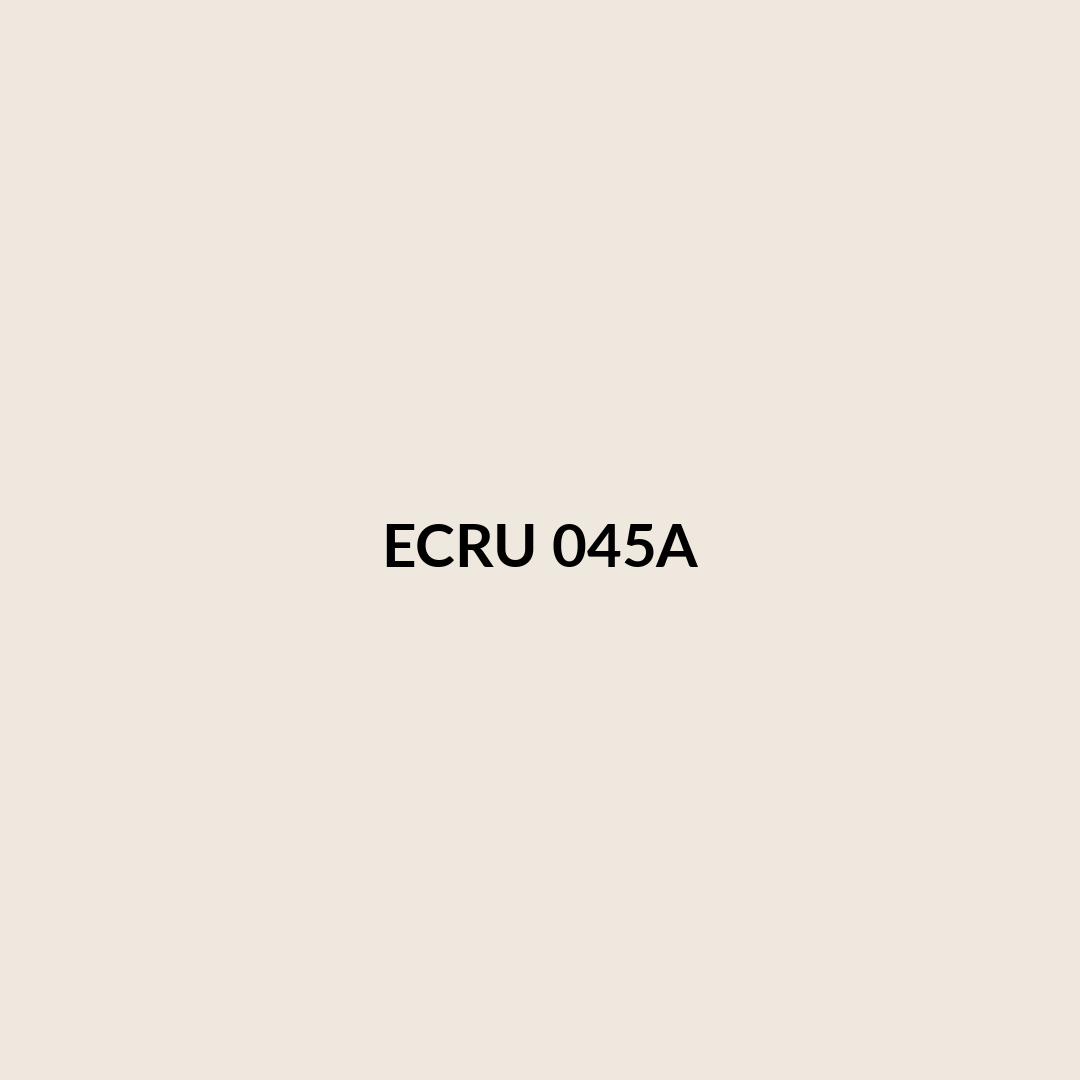
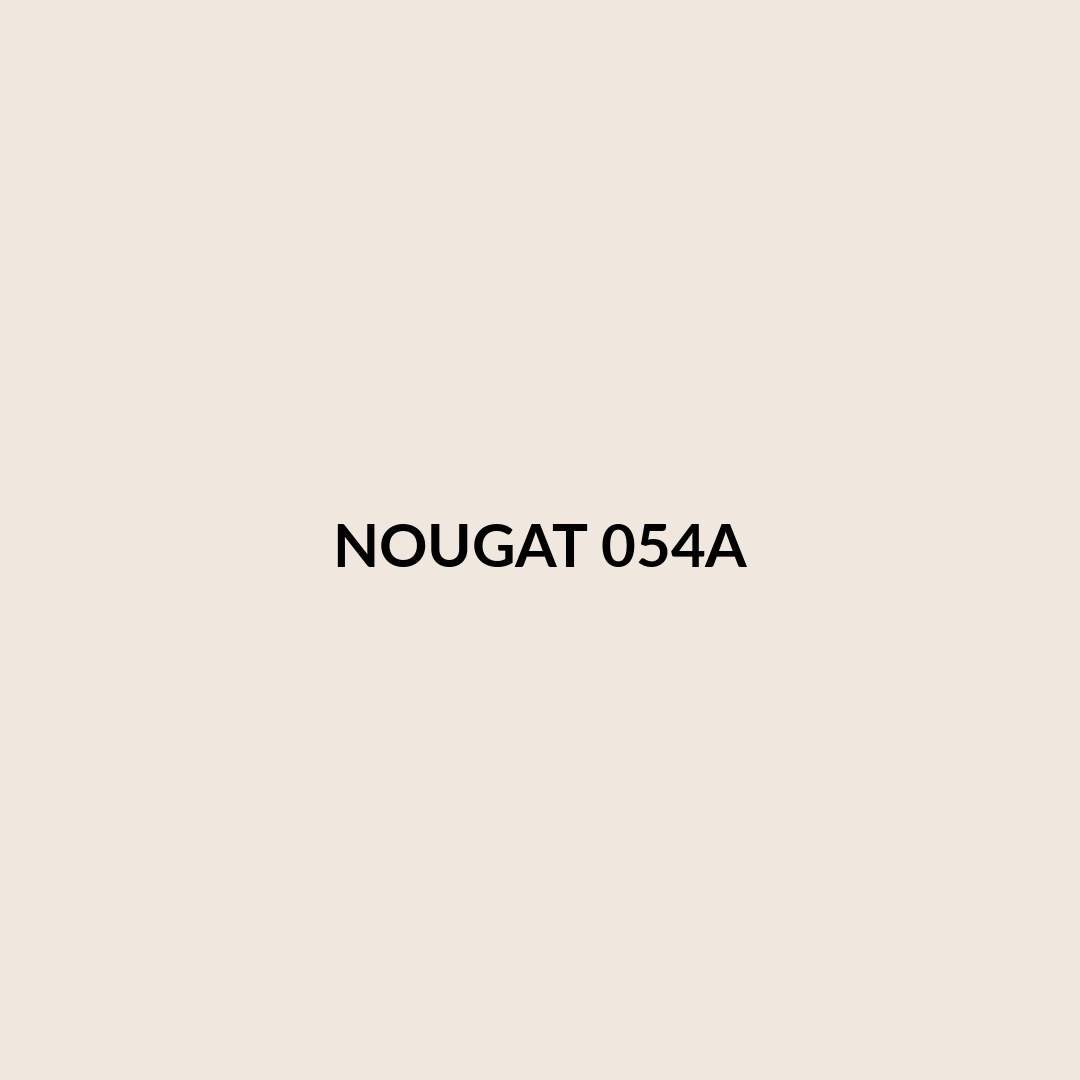
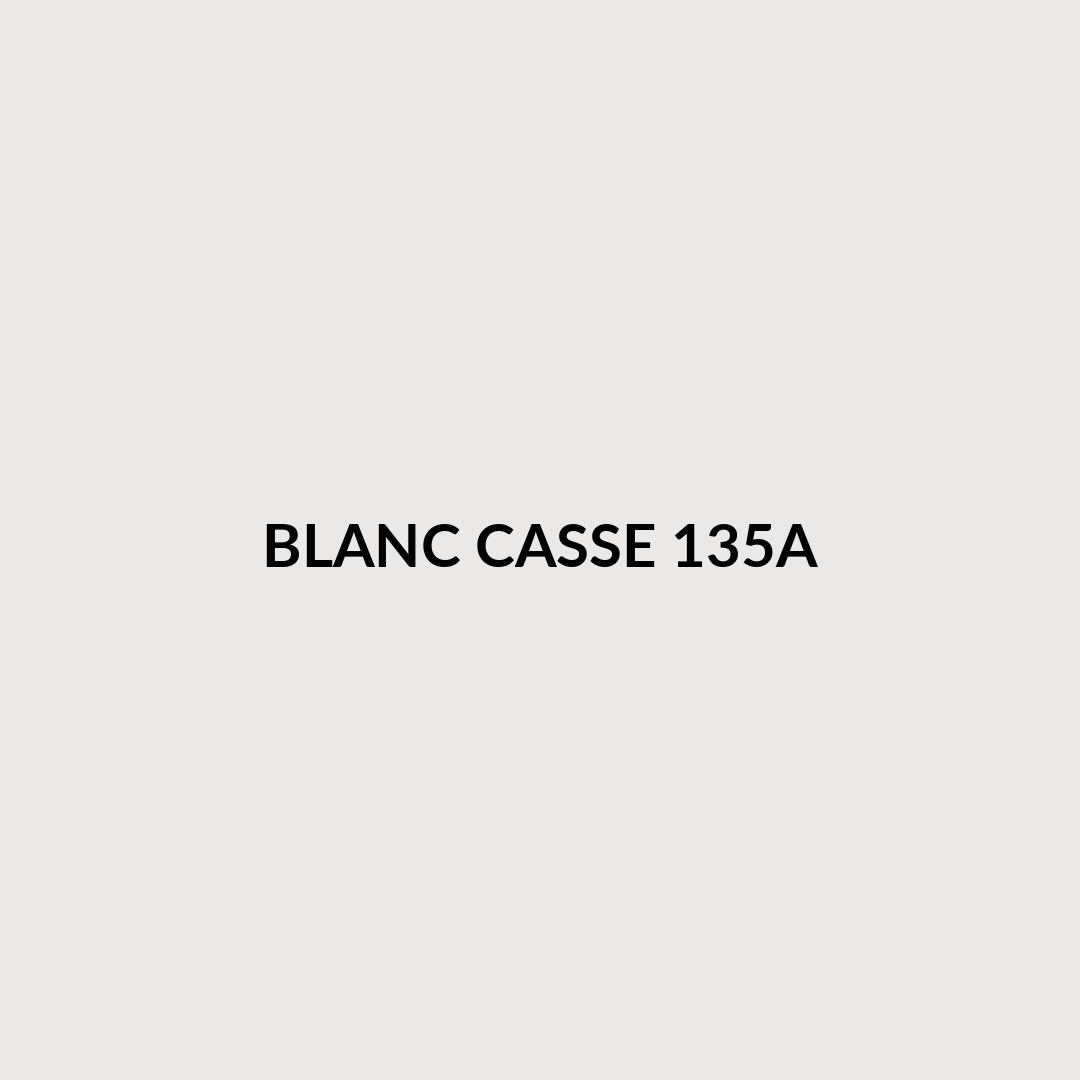
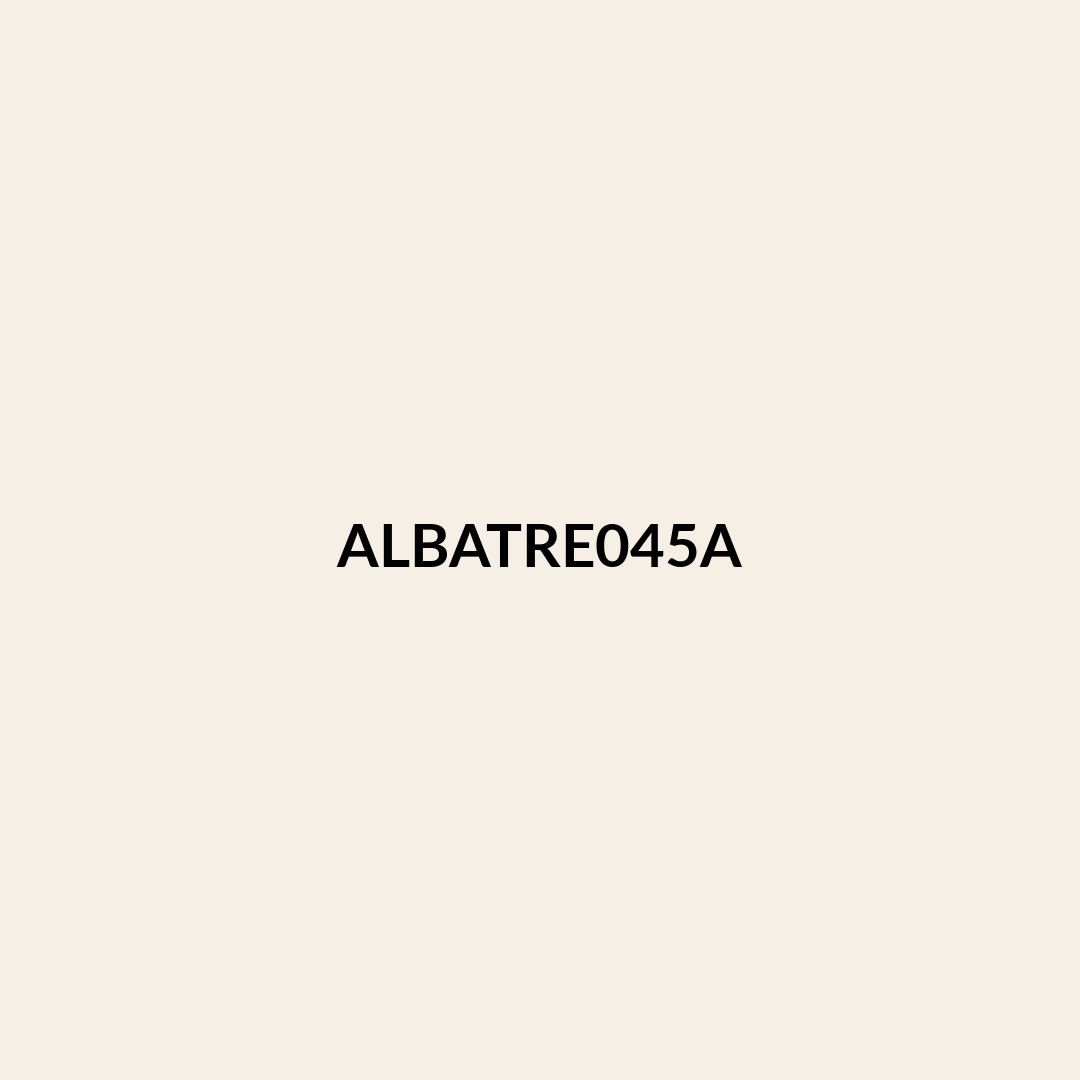
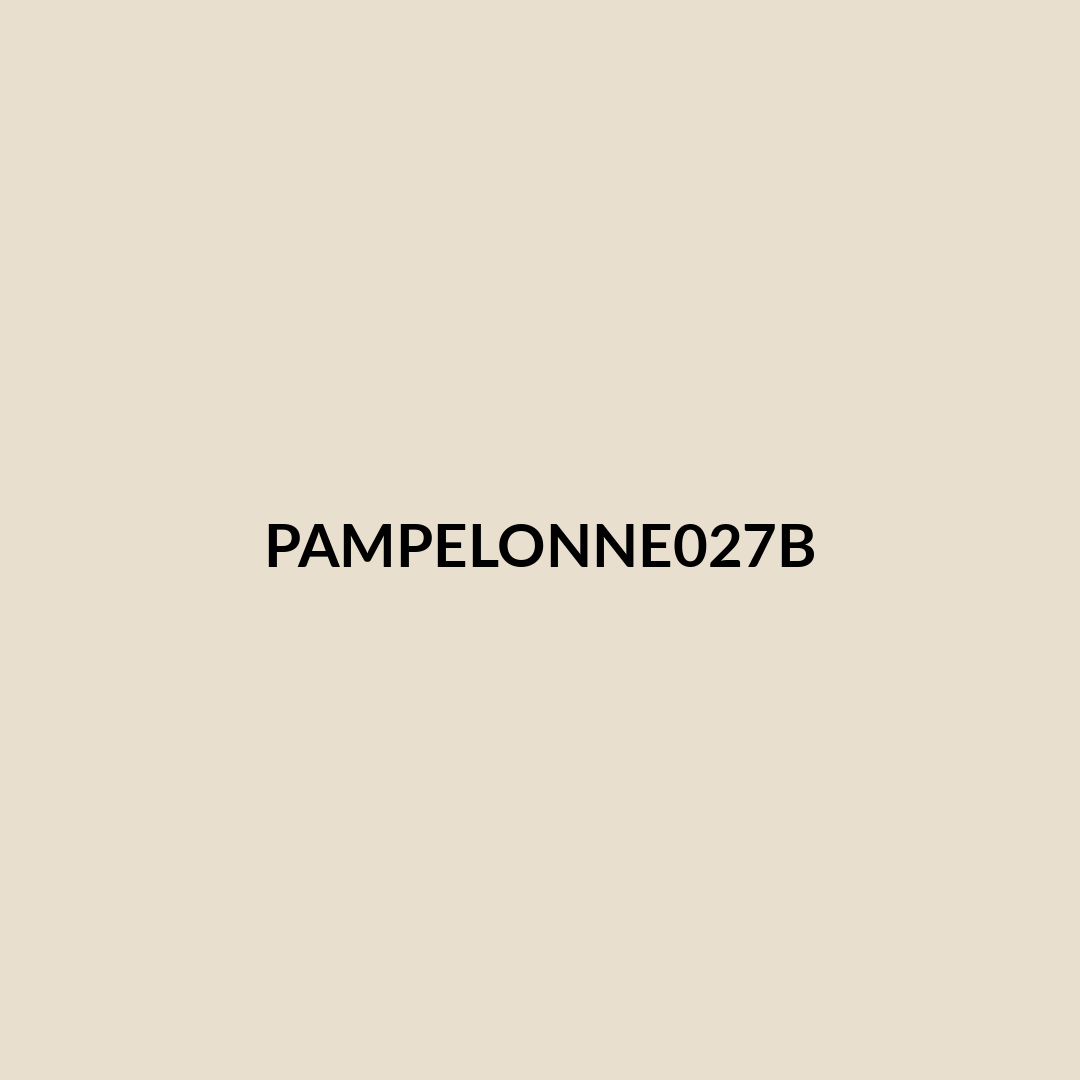
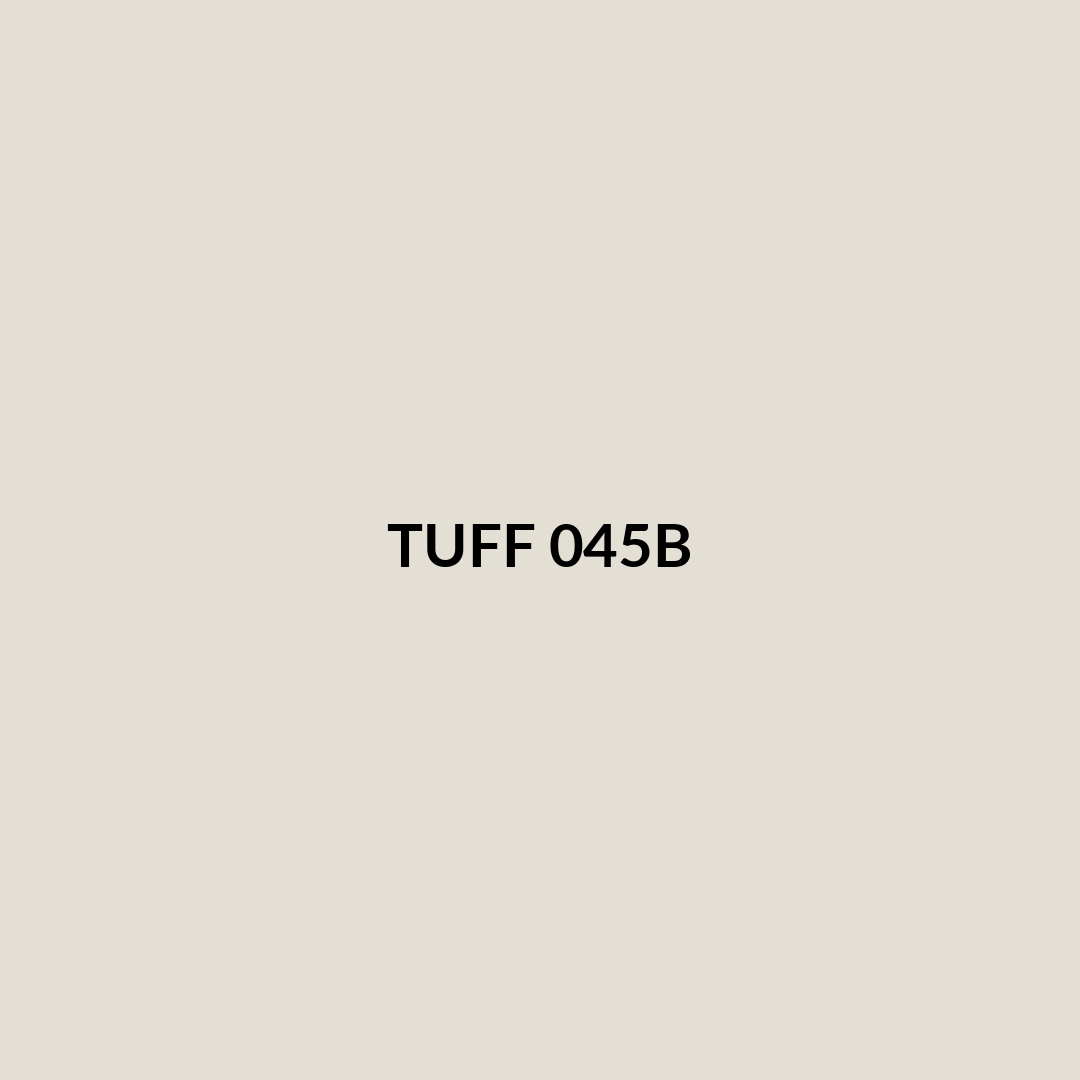
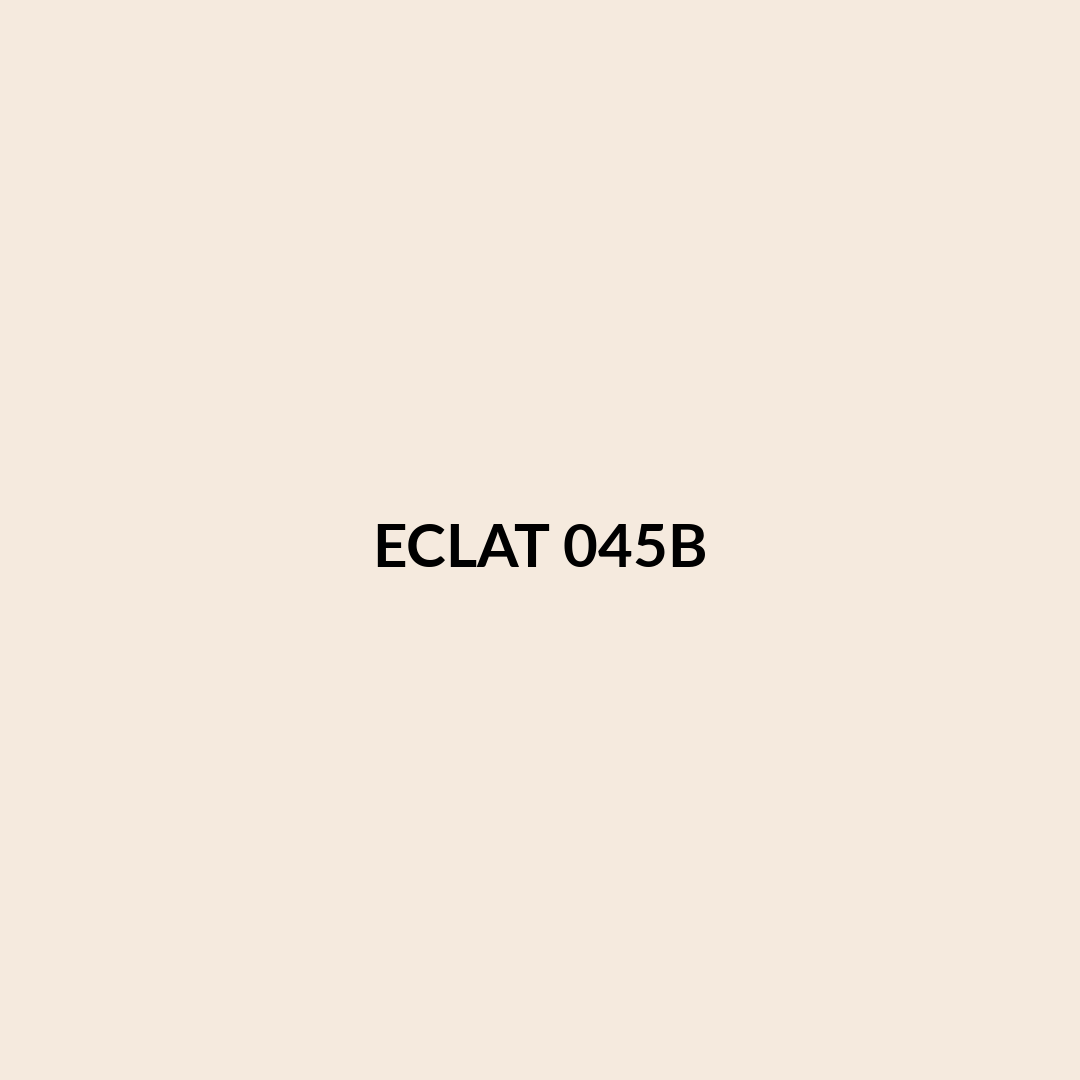
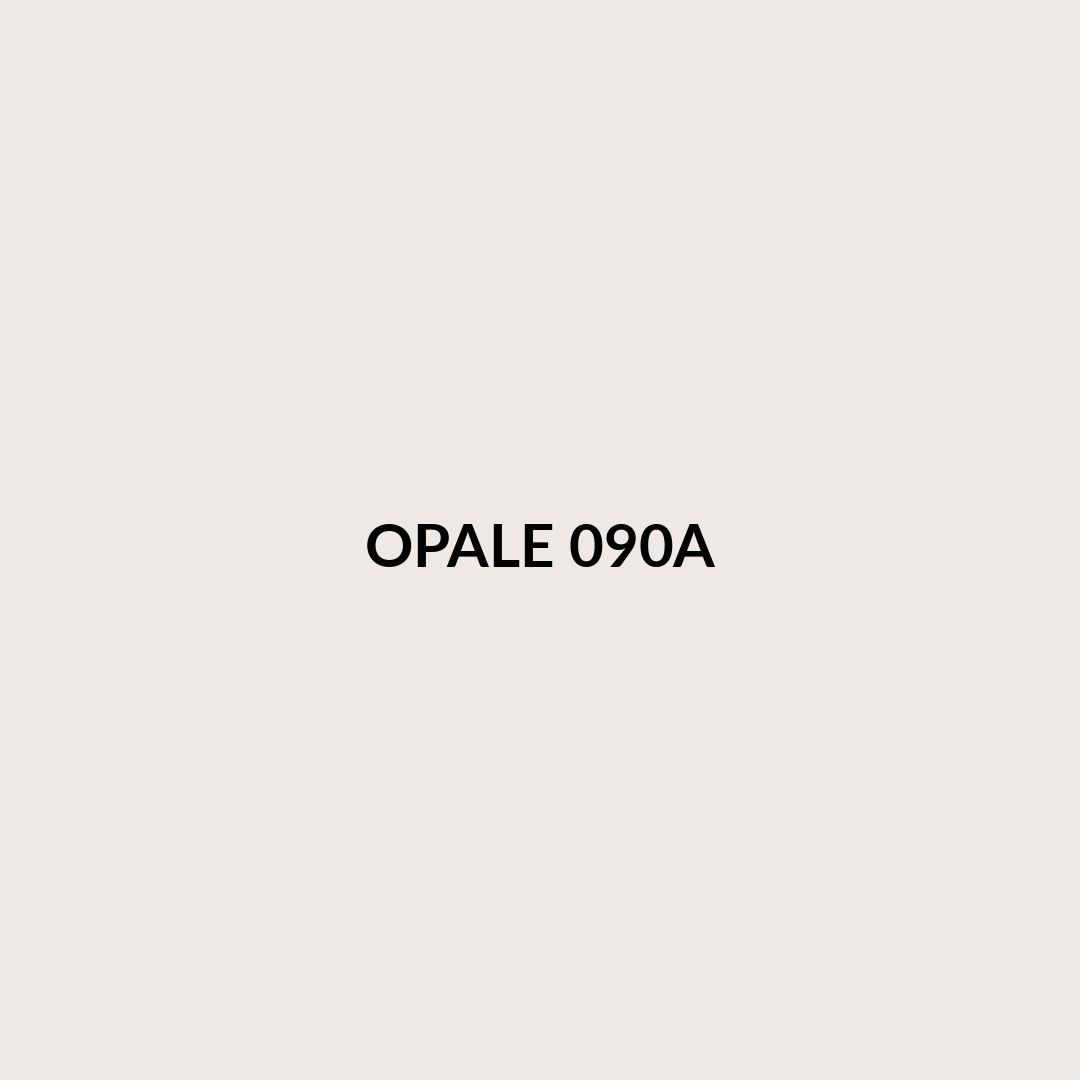
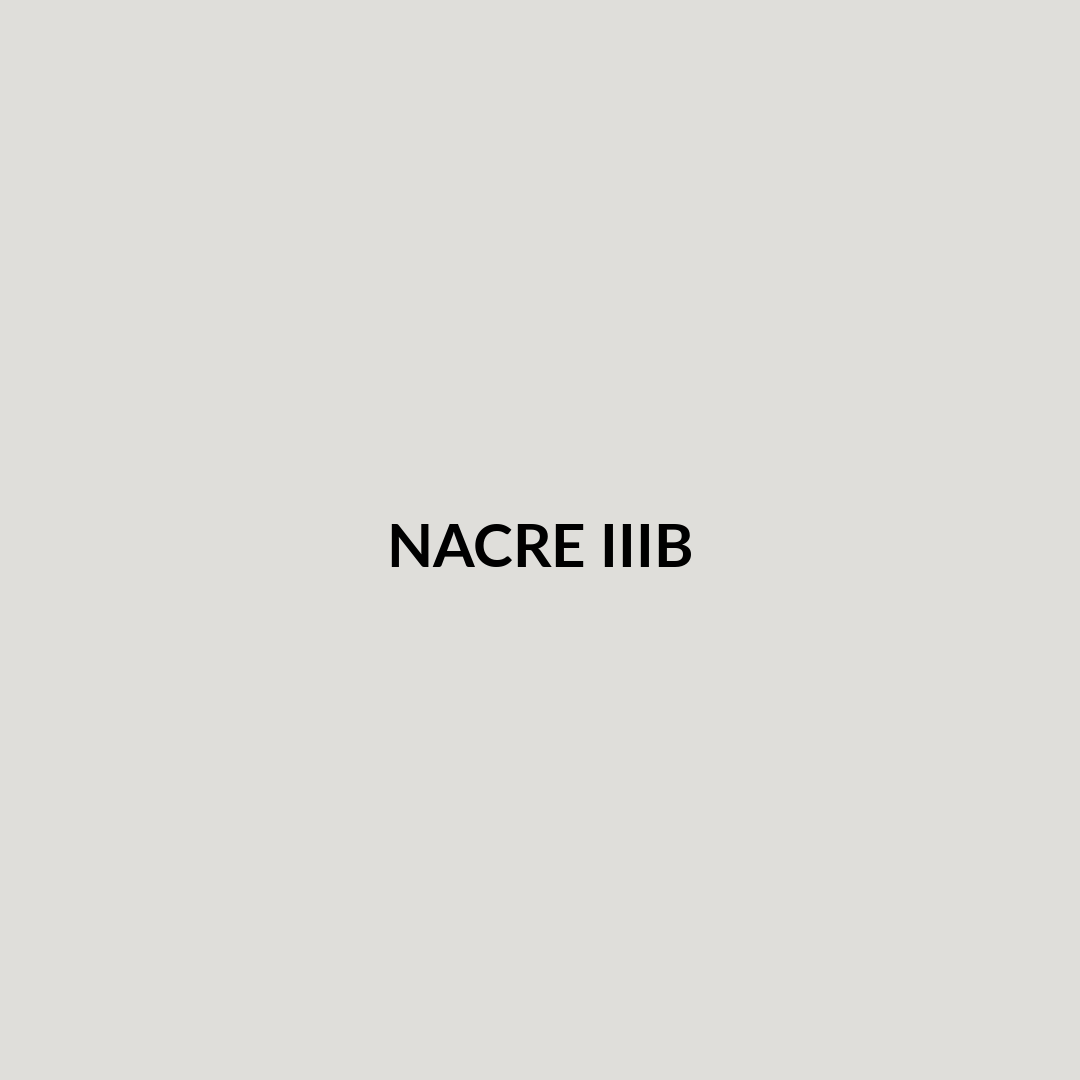
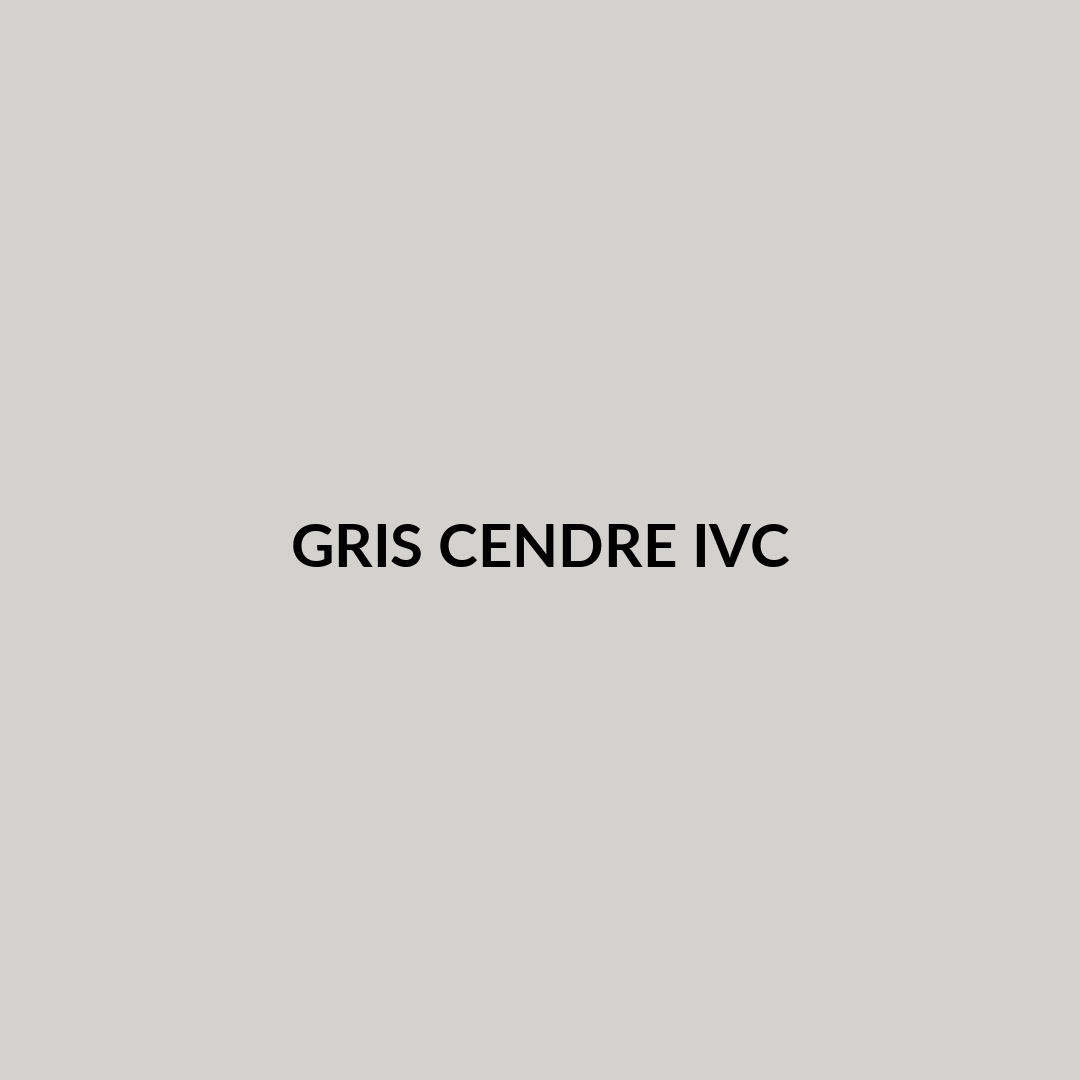
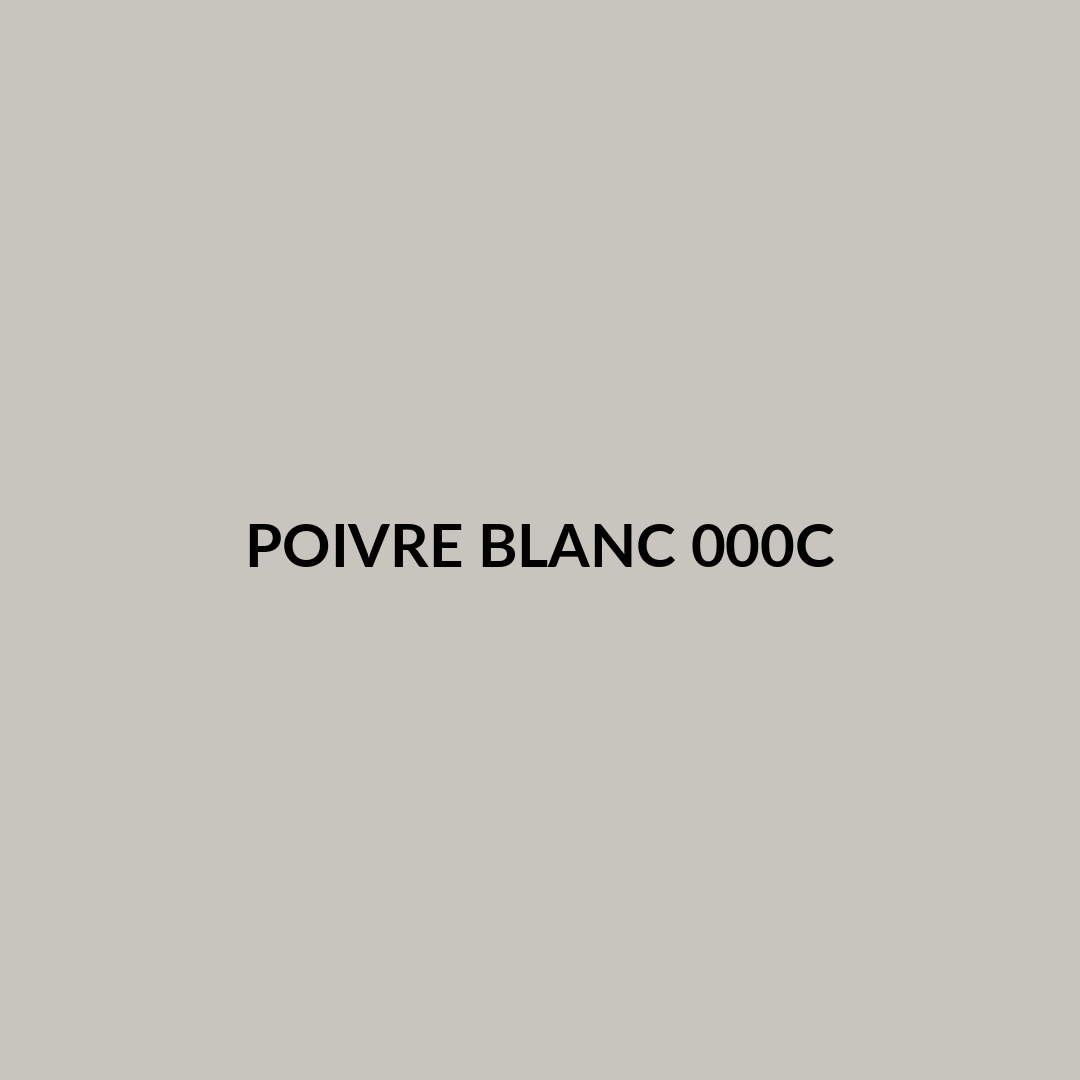
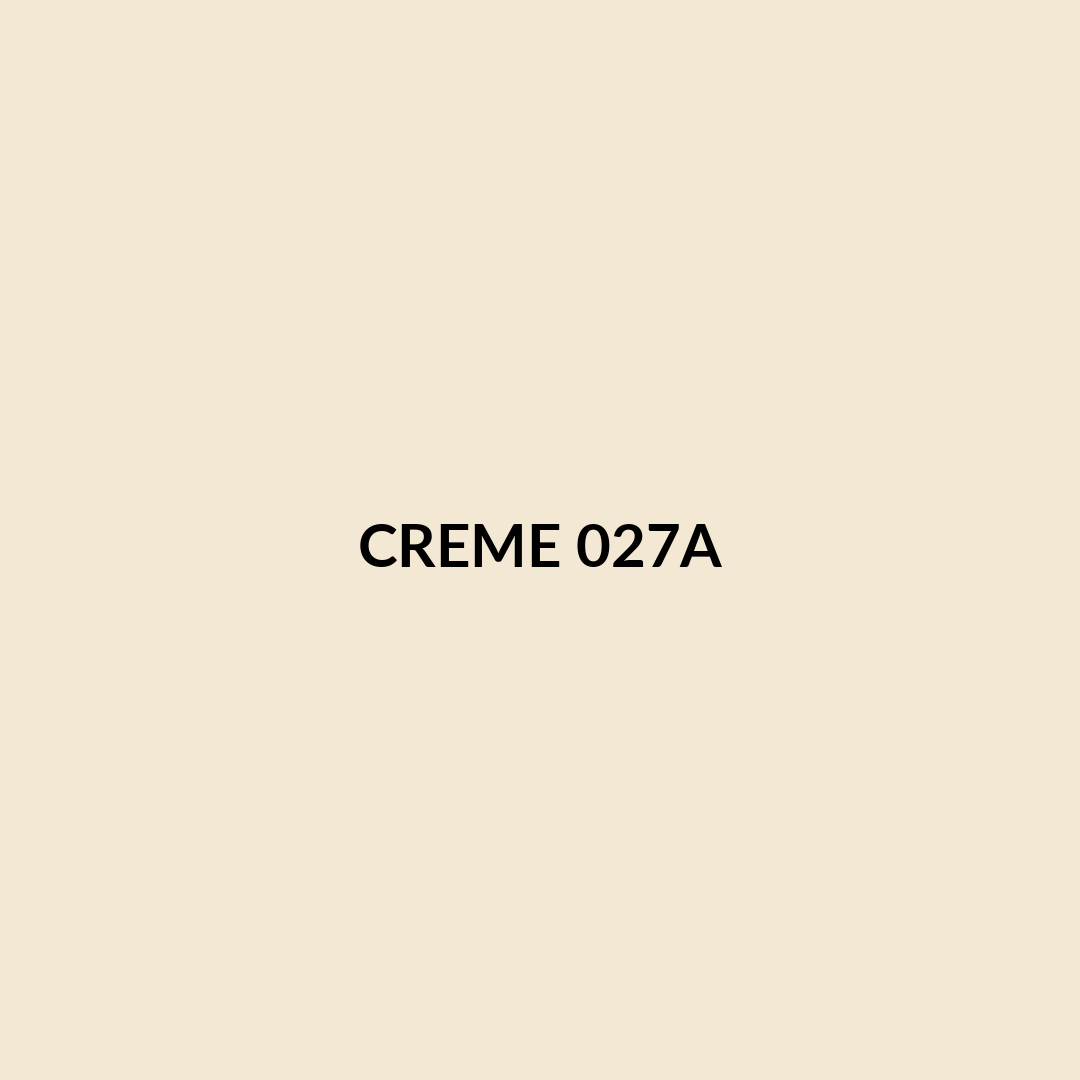
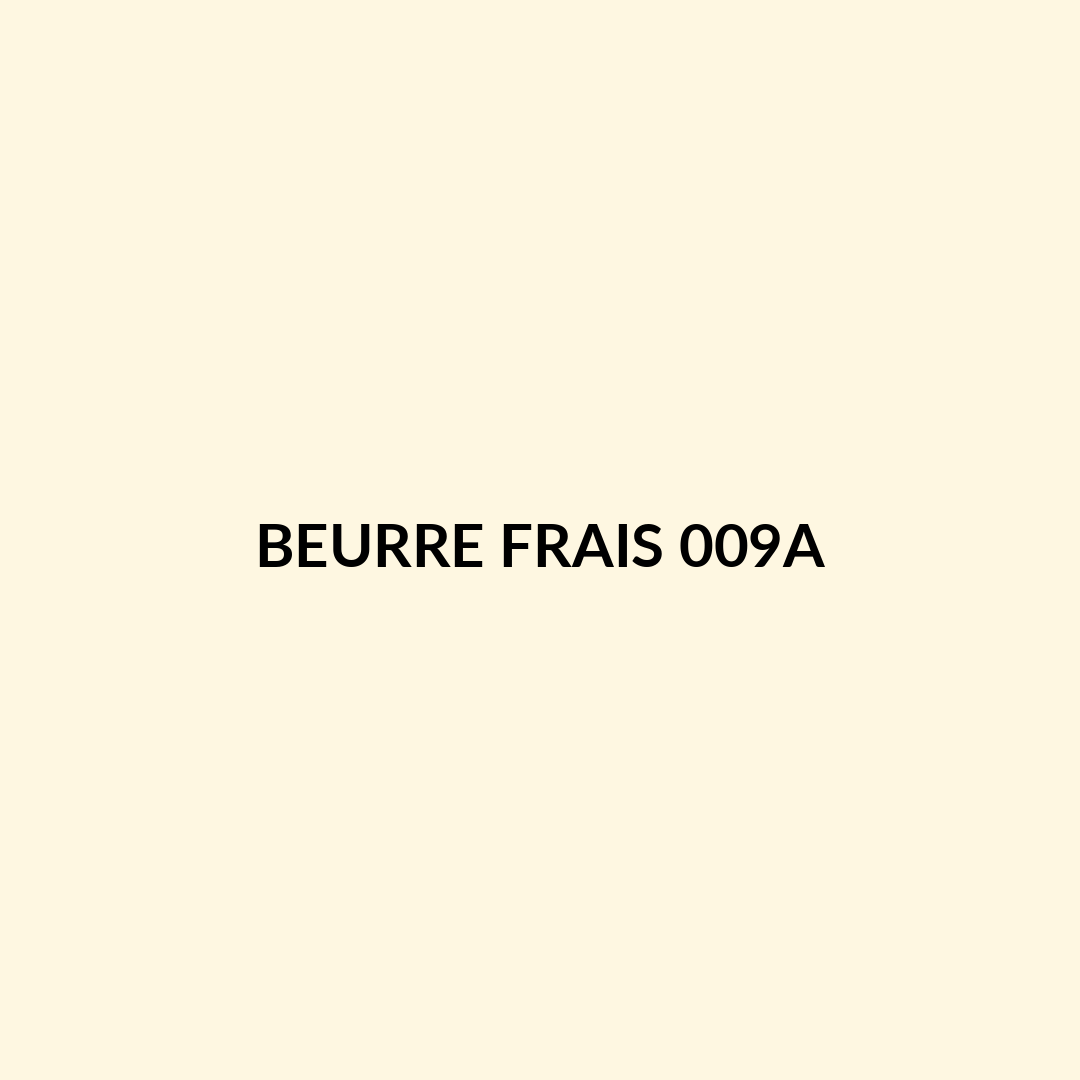
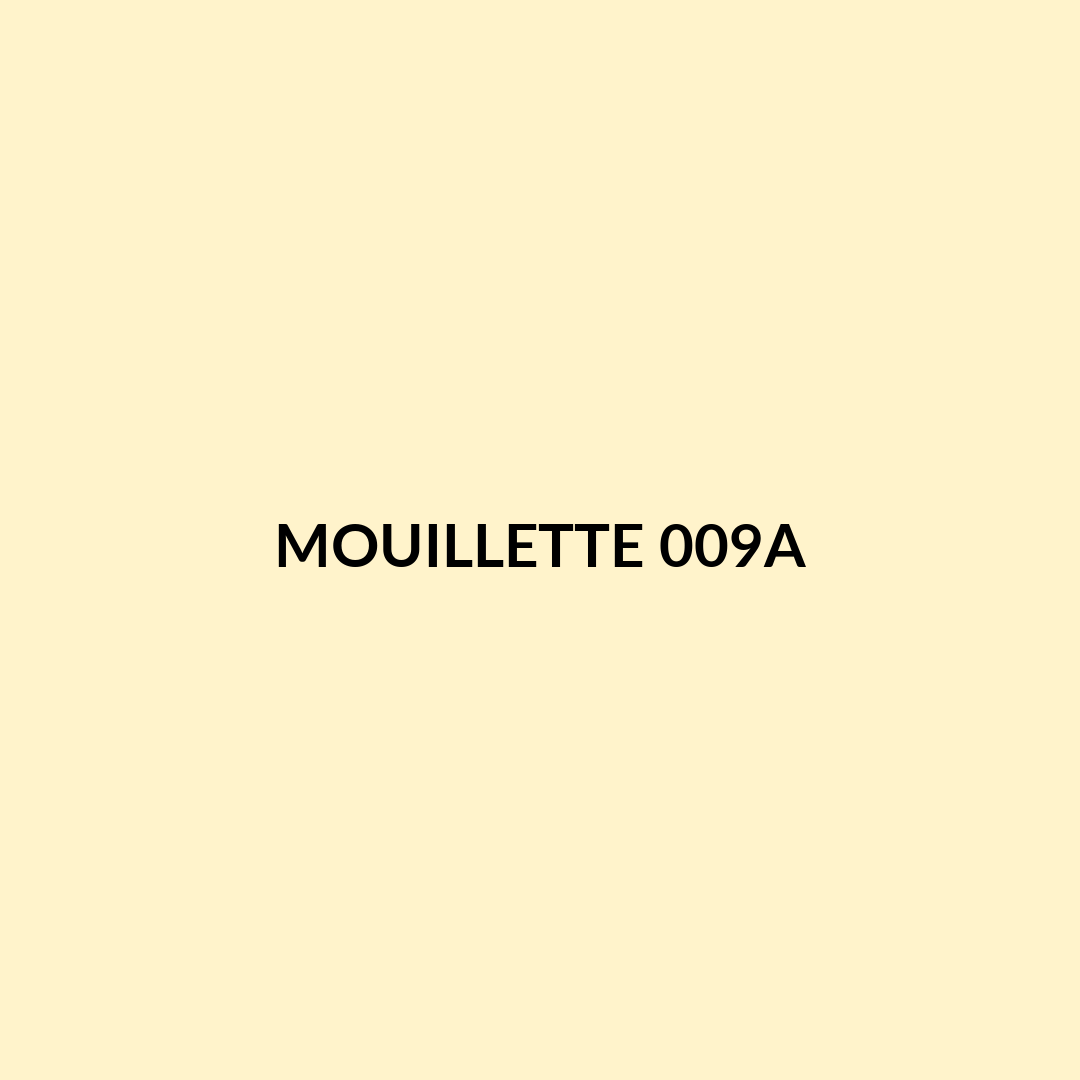
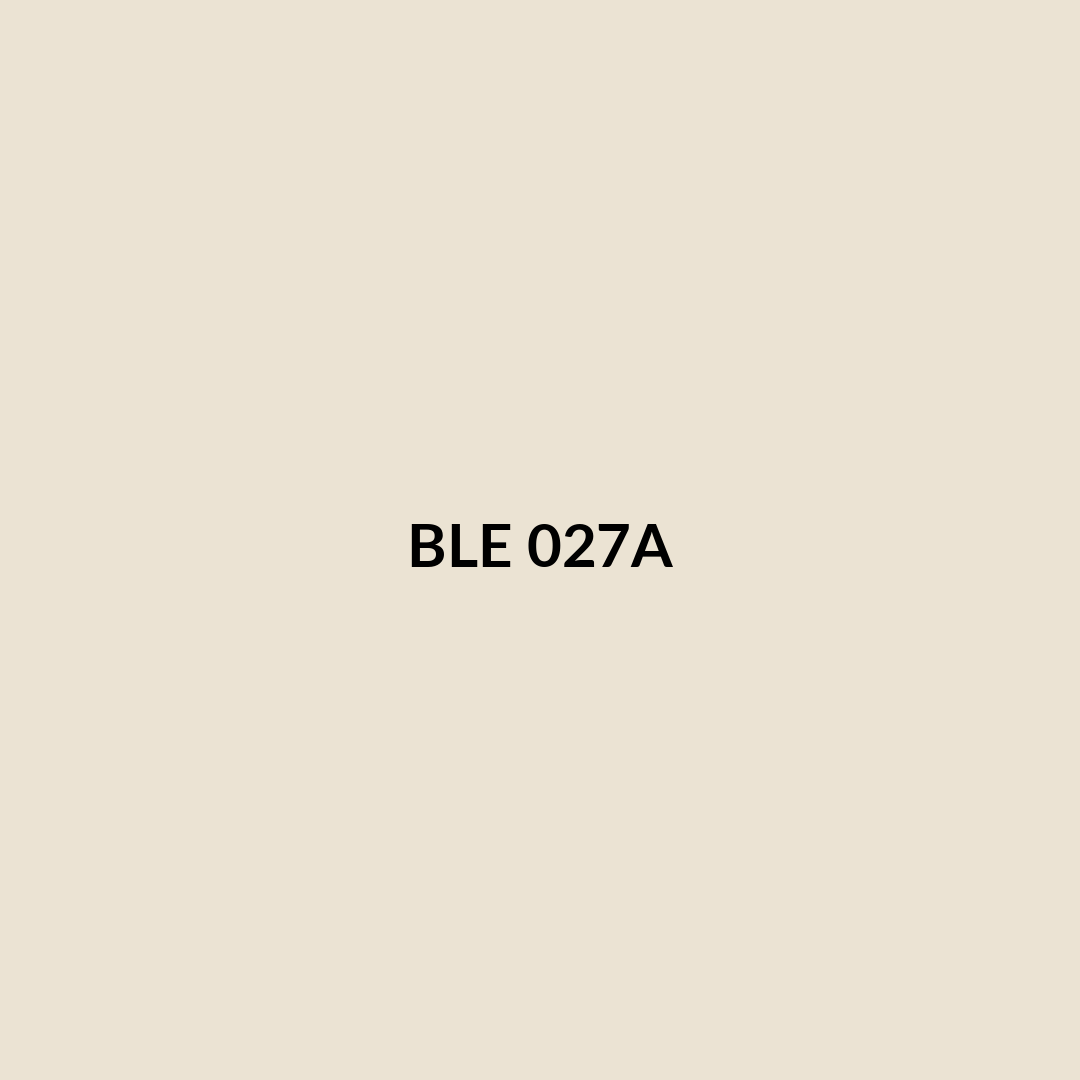
Marius Aurenti lime, recognised for its nobility and authenticity, stands out through a range of 90 shades from the IRIS colour chart, specially designed to enhance walls and ceilings, indoors and outdoors. This selection offers architects, decorators and private individuals a refined chromatic palette, inspired by nature and designed to fit seamlessly into both contemporary and classic interiors.
90-Colour Chart for Marius Aurenti Lime