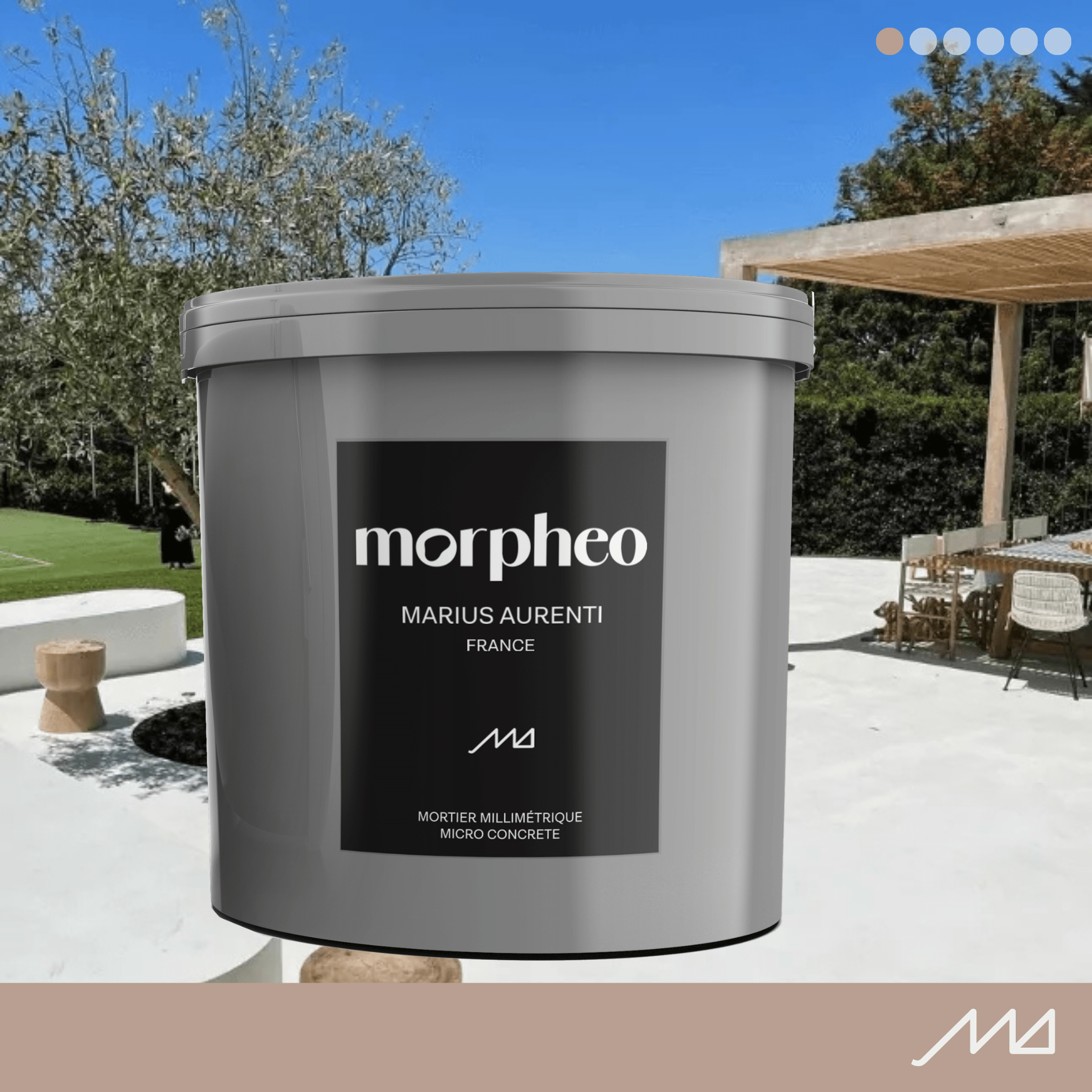
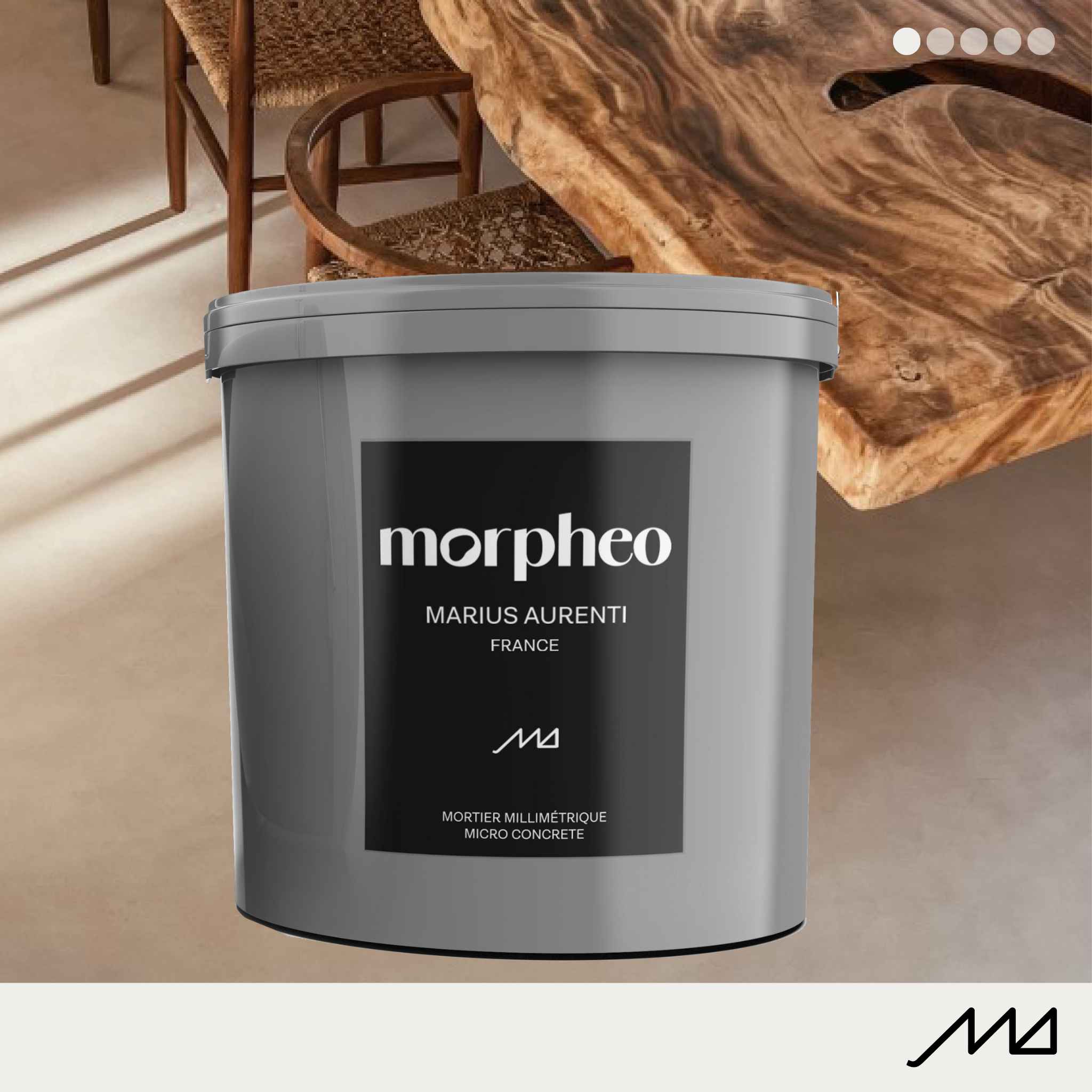
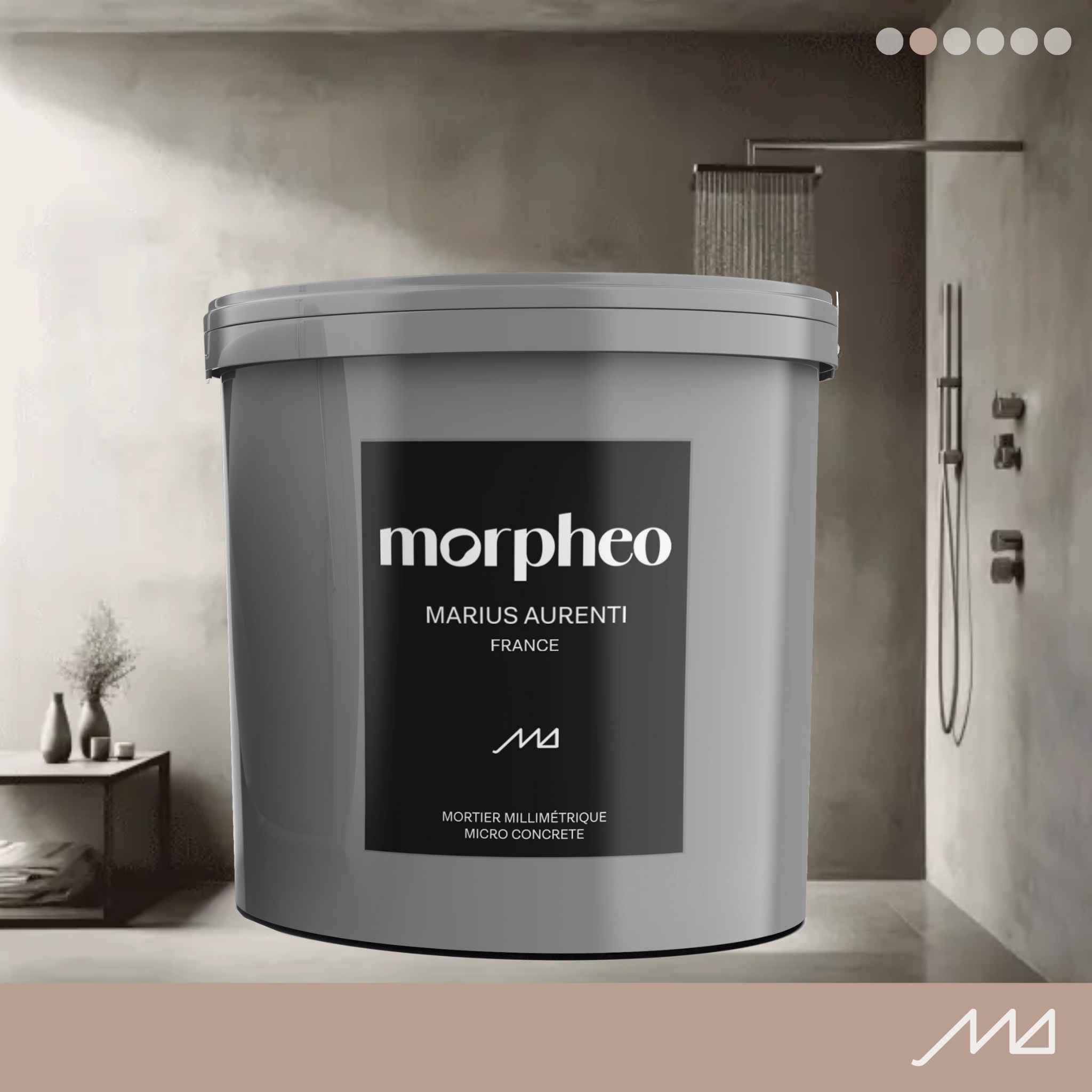
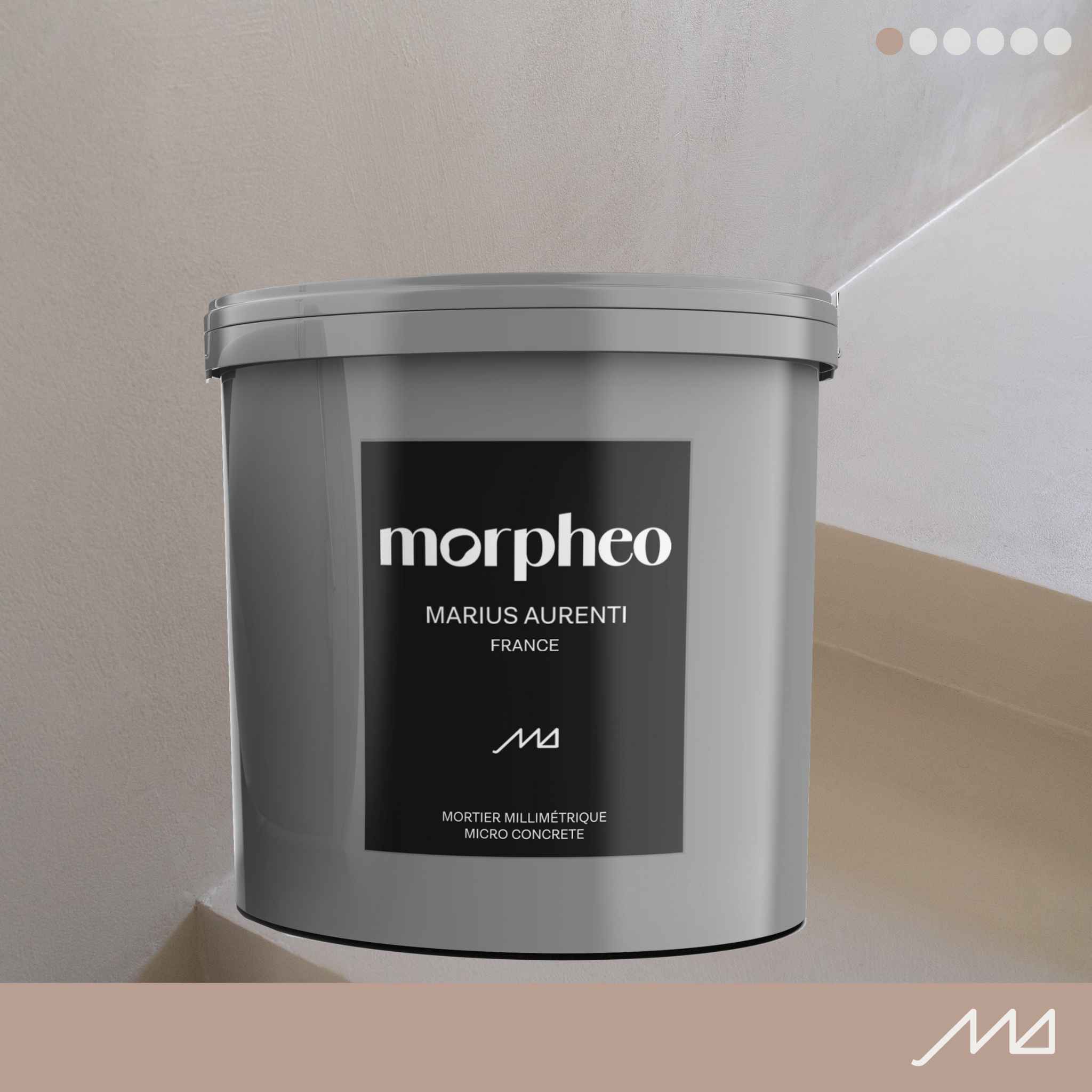
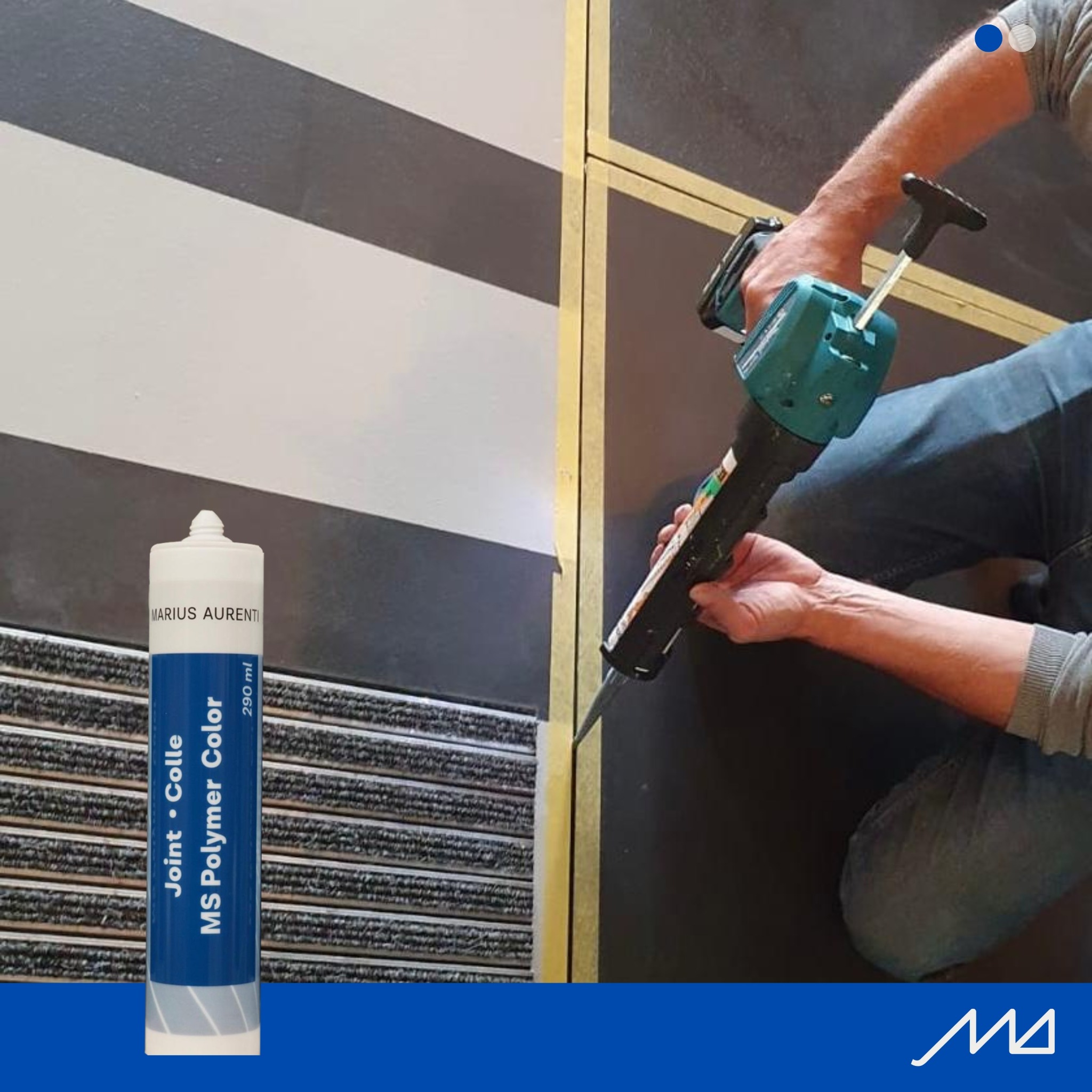
Millimetric Microcement for Floors, Walls, and Furniture
A seamless material, integrally colored and protected according to the intended use of the space.
A Material Designed to Complement Architecture
Since 1997, Marius Aurenti has been developing a hand-applied millimetric microcement, integrally colored and paired with protective finishes designed for everyday life.
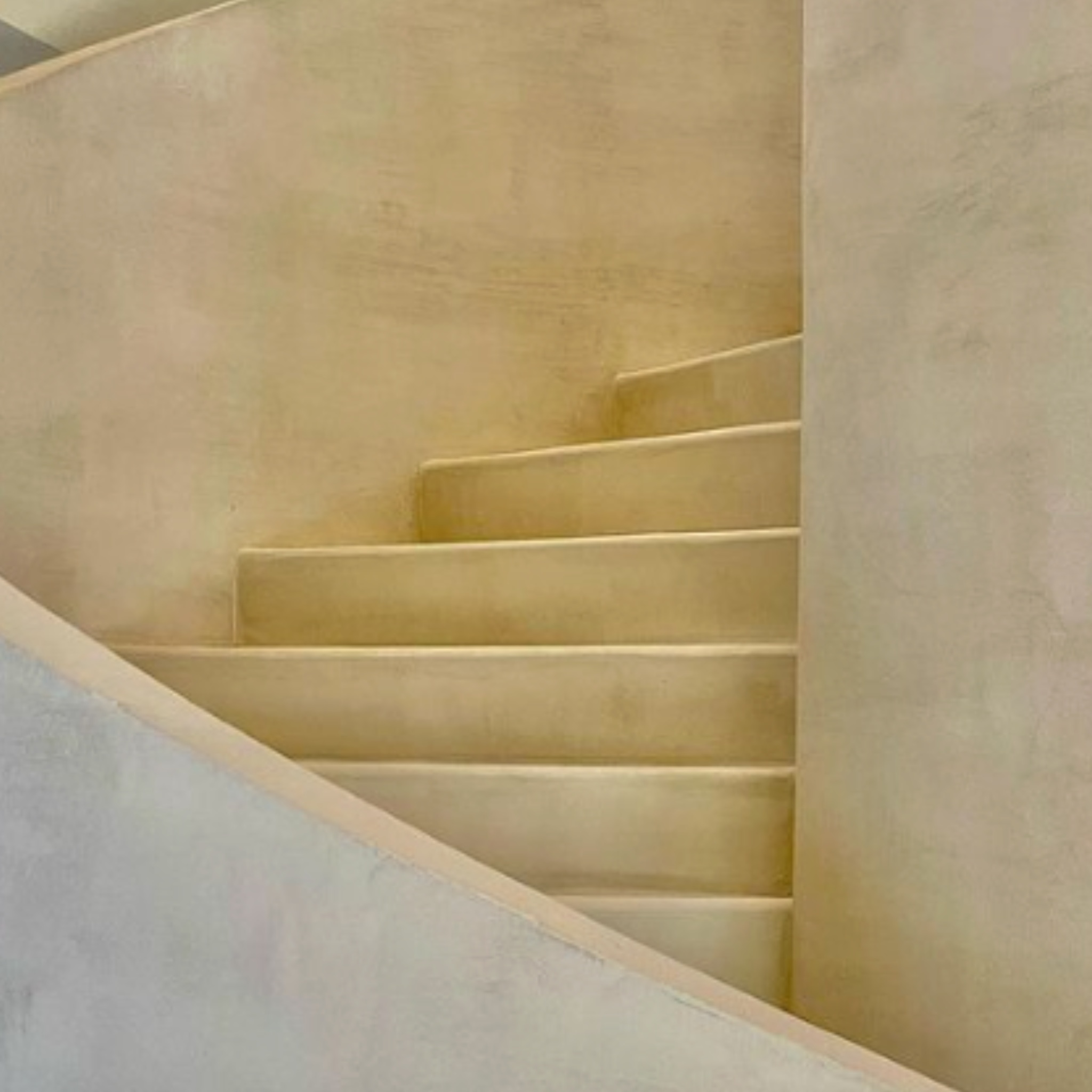
The material creates a seamless connection between floors, walls, staircases, and furniture. Its minimal thickness makes it suitable for both new construction and renovation projects. Its visual depth emerges from the color, the artisan’s hand, and the light.
|
44 MPa measured compressive strength |
16,8 MPa measured flexural strength |
15-year non-cracking warranty |
High-performance varnish tested against 21 agents (NF EN 423:2002) |
The M700 Classic Microcement Technical Data Sheet provides full performance information, including mechanical and chemical resistance, slip resistance, adhesion, testing standards, and CE marking.
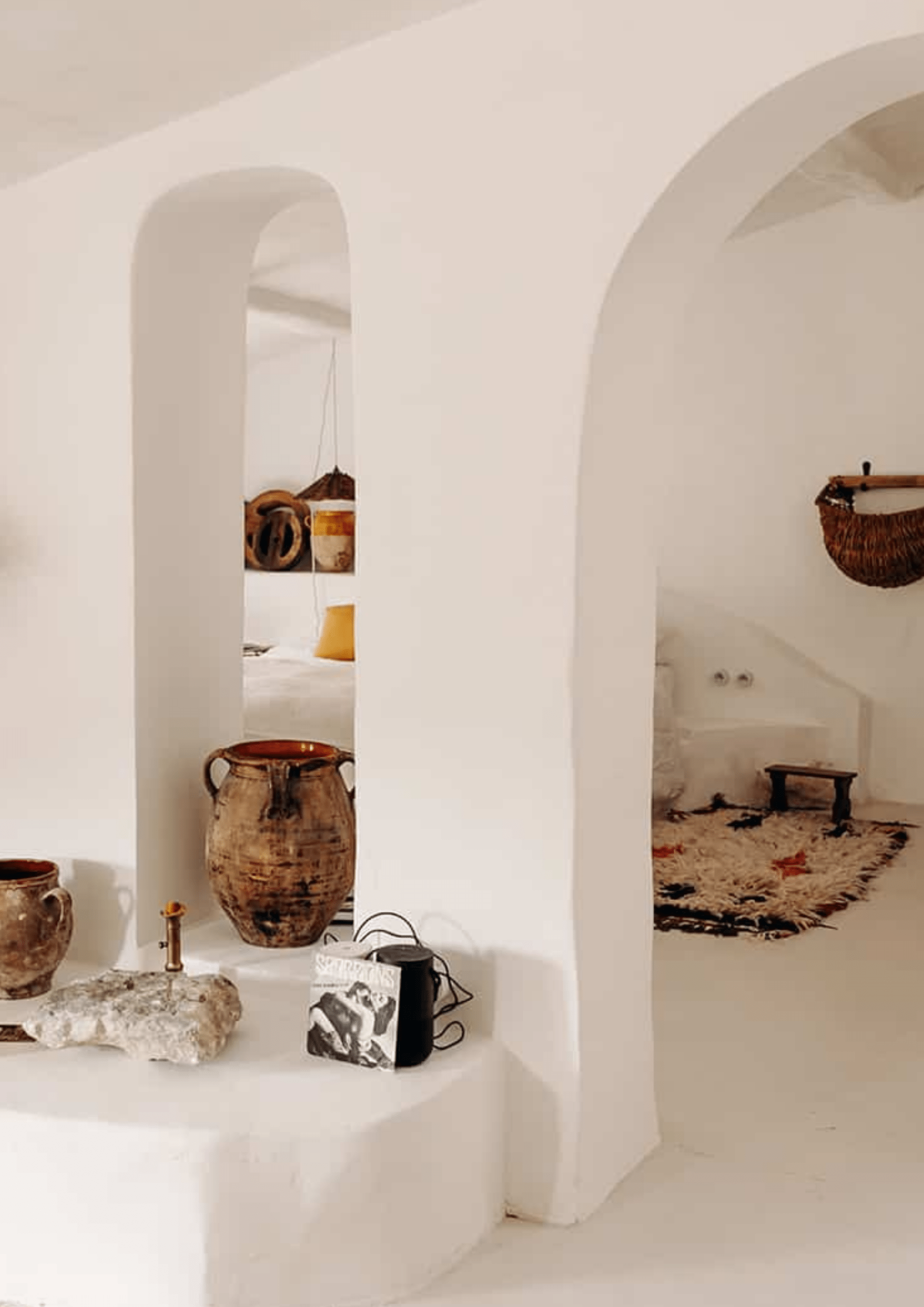
Three places, three ways of experiencing the material
The material can only be fully understood when it meets a place, a purpose, and a particular quality of light.
Microcement in context
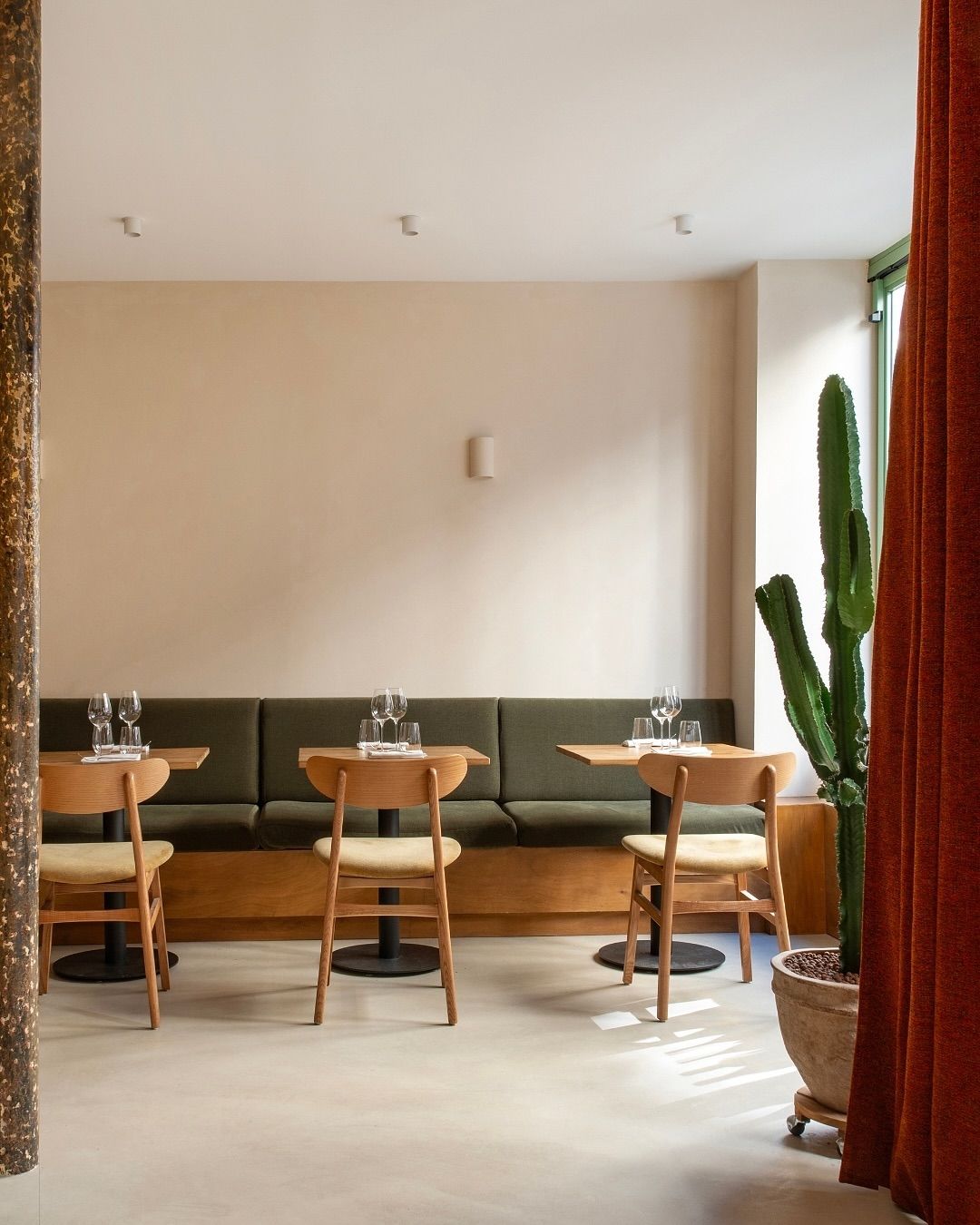
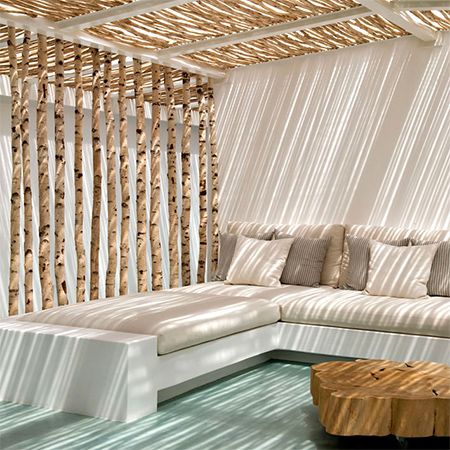
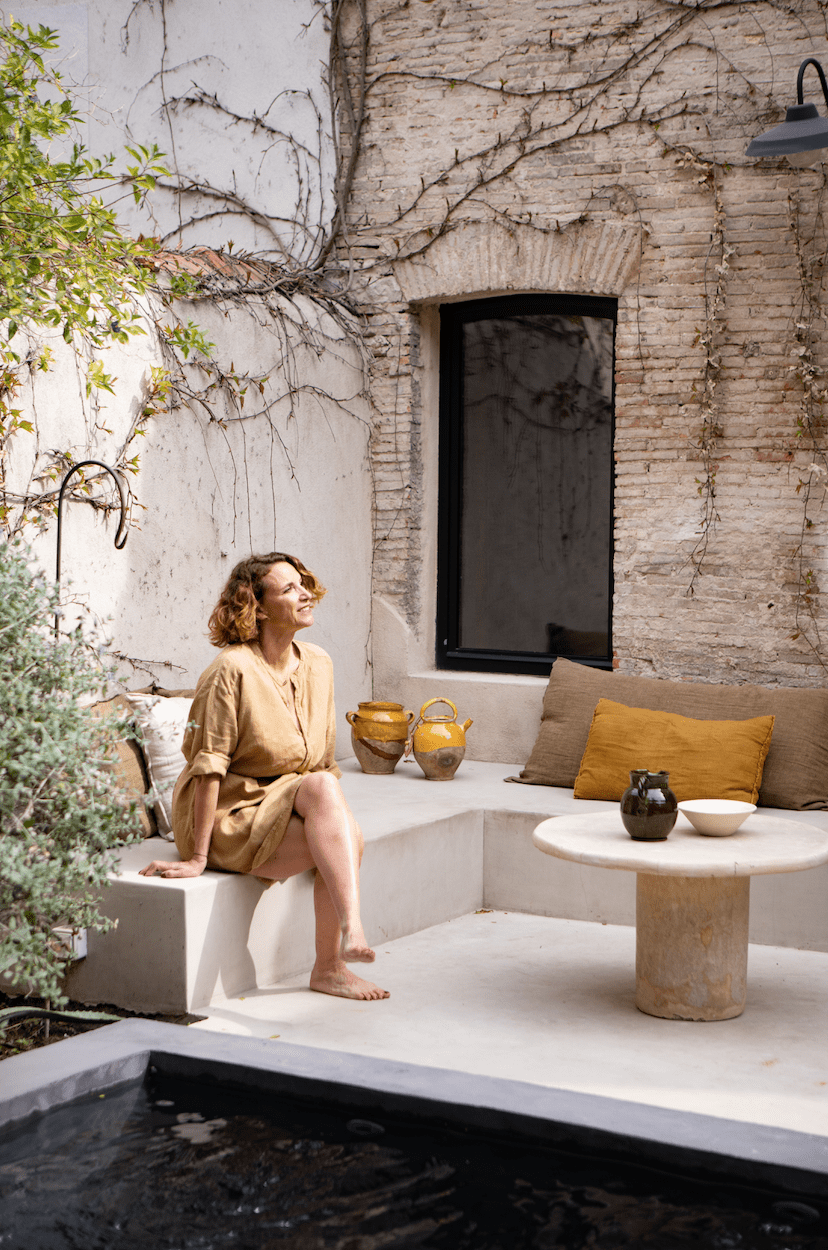
What Is millimetric microcement?
A clear definition of its composition, thickness, and applications.
A seamless mineral finish
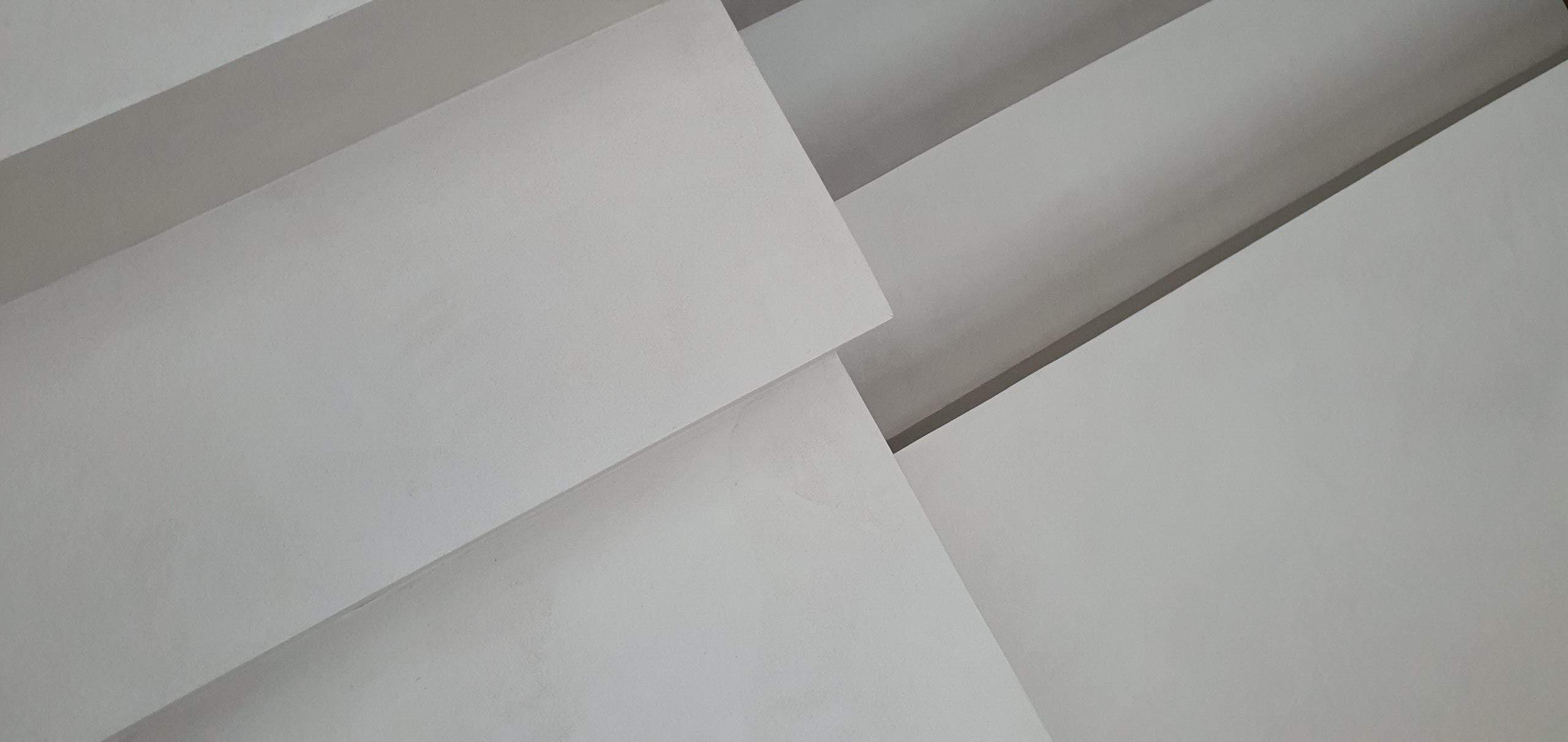
Millimetric microcement is a decorative finish applied over a properly prepared substrate. Its formulation combines a mineral base, a technical binder, and color integrated directly into the material.
It can be applied over a screed, concrete slab, compatible tile, wall, or built structure. Surface preparation, material quantity, and protection are specified according to the intended application: decorative walls, residential floors, staircases, commercial spaces, bathrooms, or exterior surfaces.
|
Solution |
Function |
Thickness |
Applications |
|
Millimetric microcement |
Seamless decorative finish |
1 to 2 mm depending on use |
Interior and exterior floors, walls, showers, staircases, and furniture |
|
Trowel-finished concrete |
Finished slab or screed |
Several centimeters |
Raw interior floors |
|
Polished concrete |
Ground solid concrete |
Several centimeters |
Large interior floor areas such as warehouses and department stores |
|
Decorative resin |
Polymer-based finish |
1 to 3 mm depending on use |
Technical floors in industrial environments, commercial kitchens, laboratories, hospitals, and schools |
From concrete protection to the sixth generation
A clear definition to understand its nature, thickness, and applications.
1982: protecting and finishing concrete
Marius Aurenti was founded in La Ciotat around the treatment and protection of mineral surfaces. The first systems combined hot-applied plant-based waxes, followed by organic waxes. Work on urban concrete exposed to graffiti subsequently led the company to explore polyurethane varnishes.
Beginning in the 1980s, this development opened a new decorative path: concrete could receive lasting protection, withstand everyday use, and become fully integrated into interior spaces.
1999: the breakthrough year
At the time, micro-mortars were primarily used for wall and exterior applications as preparation for protective finishes and concrete stains. Adding polymers to millimetric mortars formulated with quartz sands increased their cohesion, reduced their thickness, and improved their response to water and the material’s inherent movement. Between 1995 and 2000, traditional Tadelakt techniques were gradually replaced by these new formulations as they became more widely adopted.
In 1999, the director of Les Nouveaux Constructeurs commissioned Marius Aurenti to finish the floor of his home in Aix-en-Provence. The result immediately generated interest among homeowners, design professionals, and the press. Millimetric microcement moved beyond wall applications and became a true flooring material.
Today: MORPHEO M700, sixth generation
Successive generations have improved mechanical strength, inherent flexibility, slip resistance, color accuracy, and ease of application. The latest polymer binder provides approximately ten additional minutes of open time, giving artisans greater control during application.
The powder formulation uses a single base for every color, simplifying on-site coloring, improving consistency, and reducing material waste.
At the same time, the Nature First program supports the broader adoption of packaging incorporating recycled plastic.
|
Milestone |
Development |
Benefit to the project |
|
1982 |
Hot-applied plant-based waxes, organic waxes, and later polyurethane varnishes |
Concrete protection and the development of decorative interior applications |
|
1992 |
Establishment of professional training programs |
Transmission of substrate assessment, system knowledge, and application techniques |
|
1999 |
First documented millimetric floor in Aix-en-Provence |
Transition from wall-applied micro-mortar to a seamless flooring material |
|
Today |
MORPHEO M700, sixth generation |
Strength, workability, color accuracy, slip resistance, and application-specific specifications |
MORPHEO M700: the performance passport
Technical values provide measurable points of reference and connect the formulation to its intended application.
Measured performance
The beauty of a material becomes even more meaningful when supported by verifiable data. Mechanical performance, coverage rates, and protective finishes guide product specifications according to the intended use of the space.
|
COMPRESSION 44 MPa Measured compressive strength of the mortar. |
FLEXION 16,8 MPa Measured flexural strength of the mortar. |
THICKNESS 1 to 2 mm Indicative thickness according to the surface and level of use. |
|
RESIDENTIAL 3 kg/m² Indicative microcement coverage for residential flooring. |
INTENSIVE USE 4 kg/m² Indicative coverage for commercial floors, bathrooms, renovation over existing tile, staircases, or terraces. |
WARRANTY 15 years Contractual warranty for eligible installations completed in accordance with the defined requirements. |
Performance adapted to wet areas and exterior applications
The finishing systems and installation protocols can achieve slip-resistance levels appropriate for residential applications, including demanding environments such as walk-in showers, terraces, and pool decks.
Each classification is presented alongside the tested product, finish, applicable standard, and corresponding certificate.
The material transforms the perception of space
The continuity of the floor, the light, and the tactile quality of the surface become architectural design tools.
A presence shaped by light
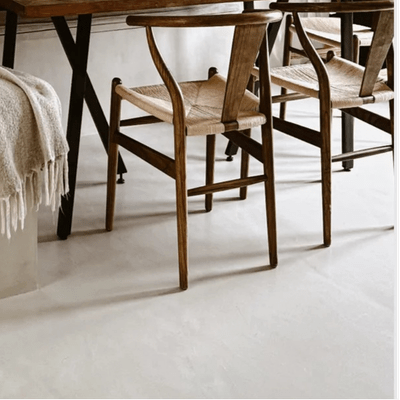
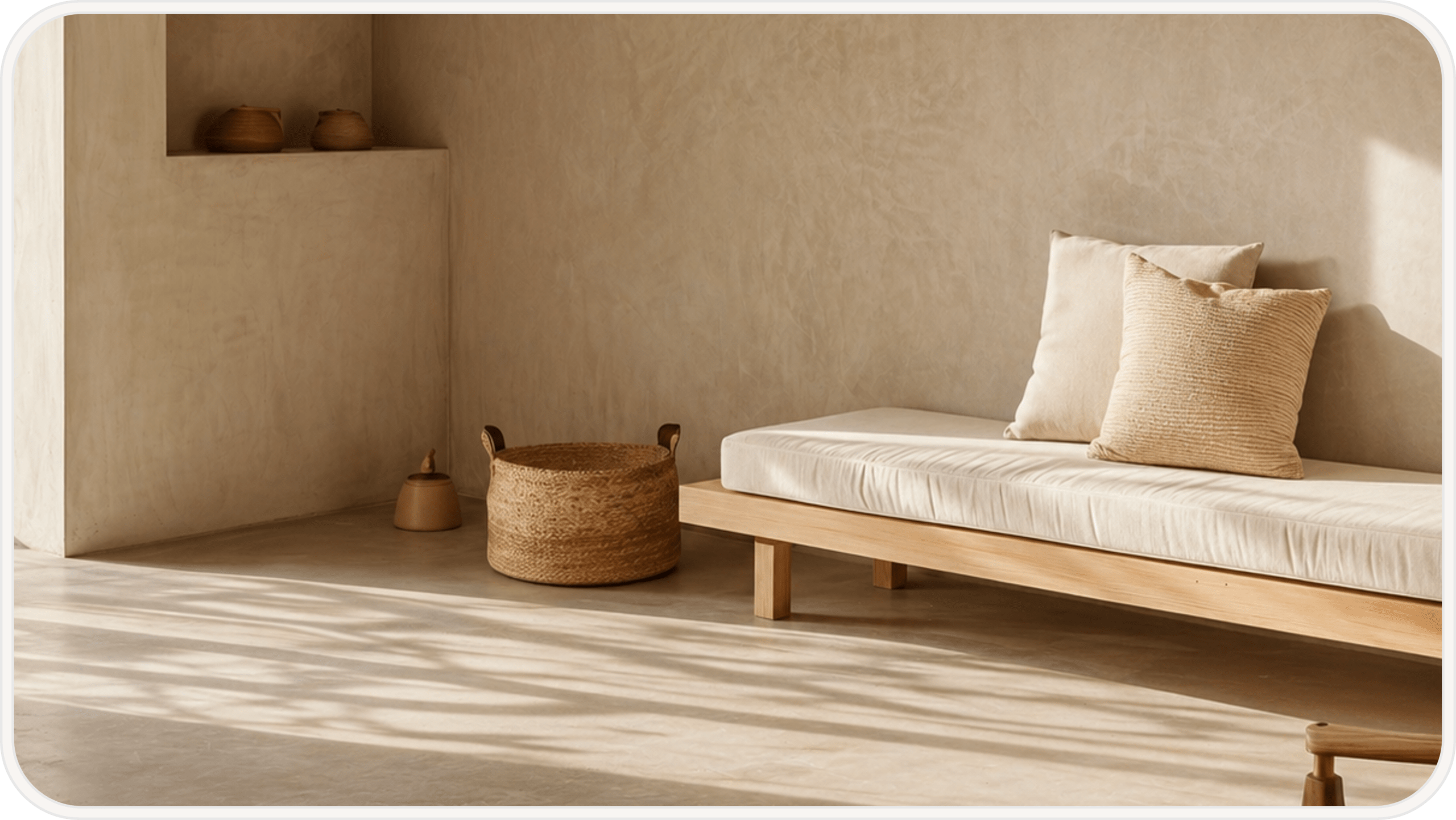
The surface guides the eye between rooms, levels, and volumes. Trowel movements, sanding intensity, and the selected protection reveal different nuances throughout the day.
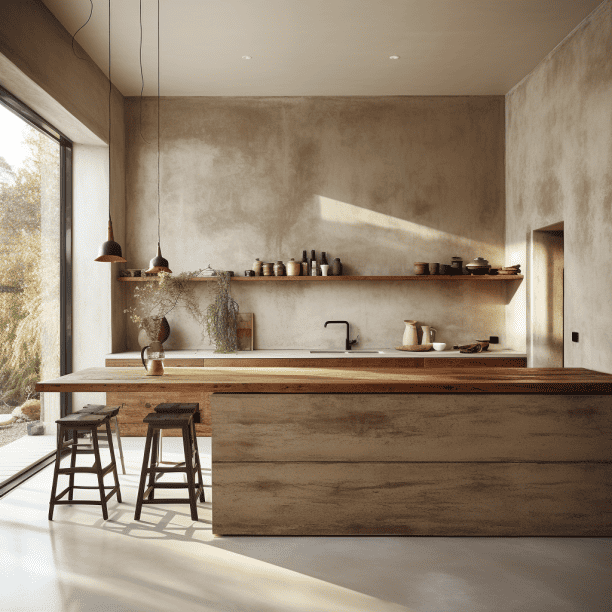
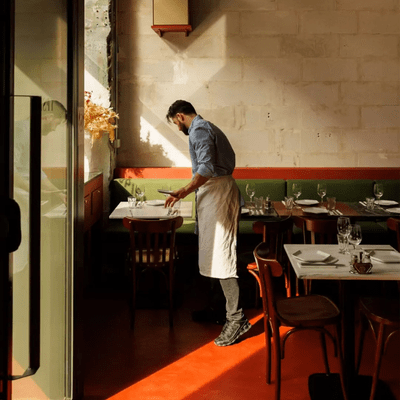
A light shade captures soft light. An earthy color creates a dialogue with wood and stone. A deep tone anchors a boutique, restaurant, or custom-designed piece of furniture.
The formulation brings precision. The artisan’s hand gives each space its own distinctive character.
“The project called for a calm floor capable of unifying the spaces and complementing the existing stone. The selected shade becomes almost luminous in the morning, then more mineral toward the end of the day.”
Élise Marin — Designer, Atelier Mistral — Maison Calanque, Aix-en-Provence
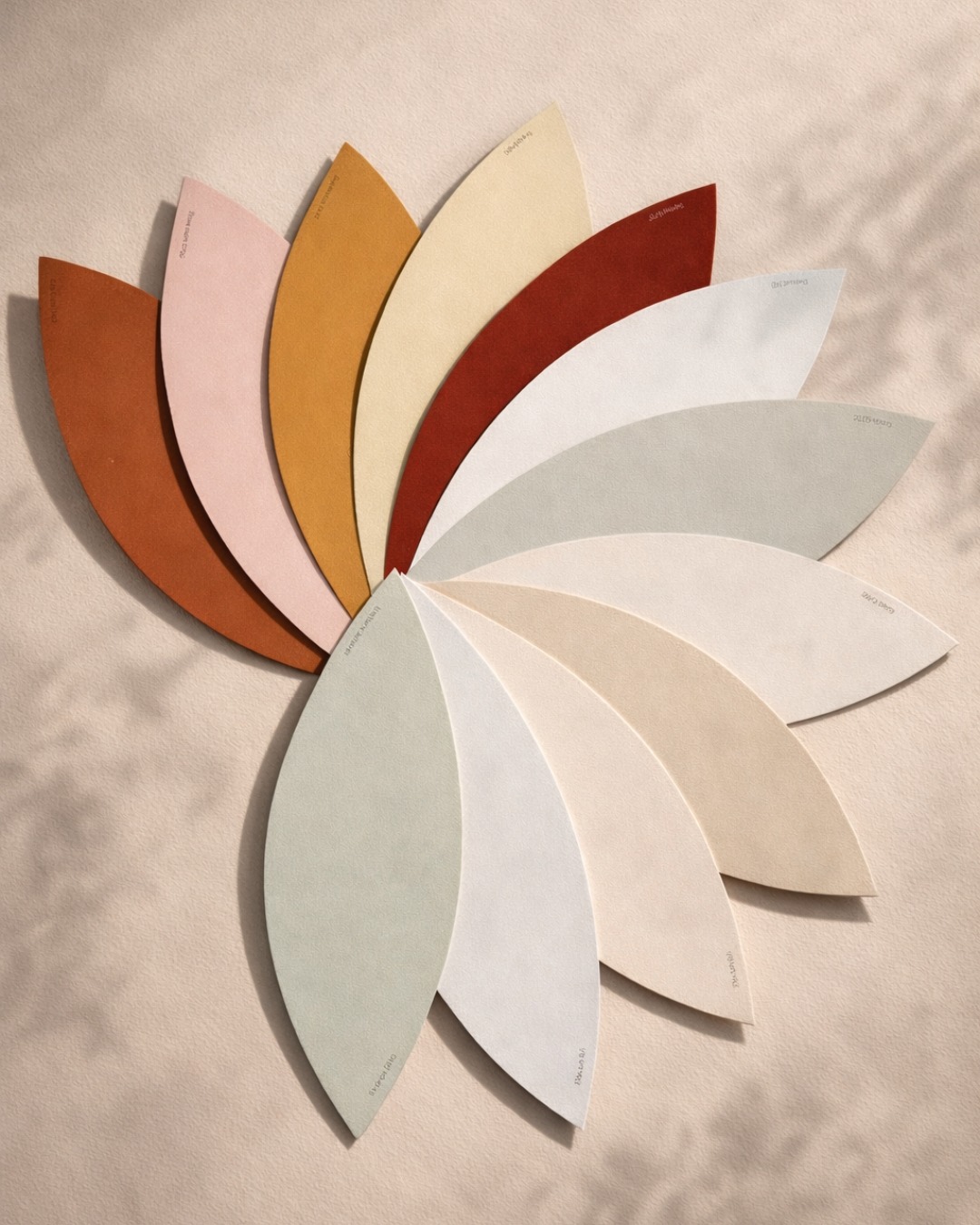
Blush: color throughout the material
A mineral pigment technology designed to provide depth, accuracy, and consistency across production batches.
Precisely prepared color
Micronized mineral pigments
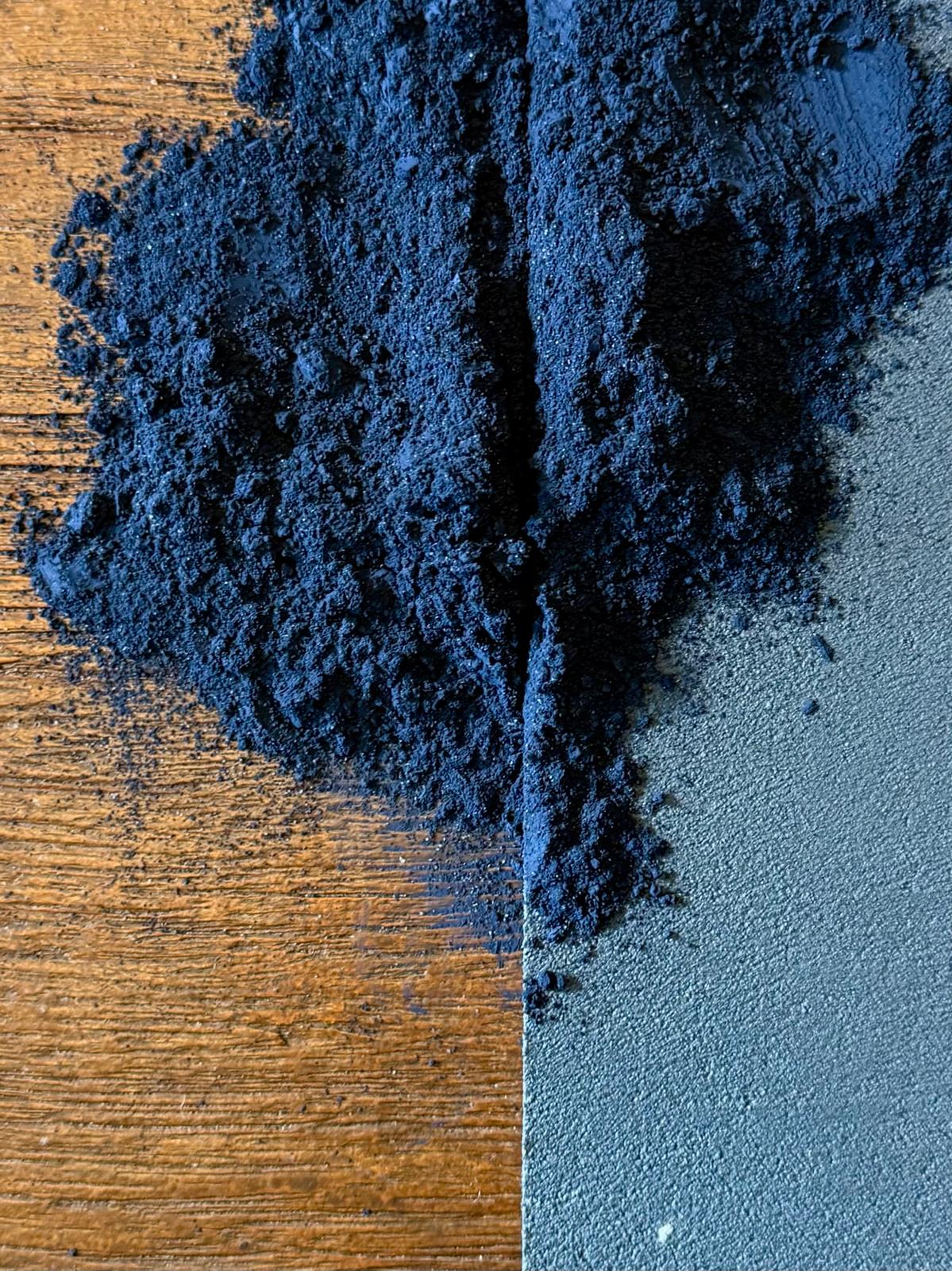
Blush technology introduces color directly into the mortar through powdered mineral pigments. Micronization promotes consistent dispersion throughout the material.
Each pigment concentrate is precisely measured for a specific base. Manufacturing controls help ensure batch consistency and color accuracy across large surfaces.
The color is then revealed through the application technique, sanding, protection, and light within the space. It remains an integral part of the material, down to its subtlest nuances.
Adapting the material to the intensity of use
The quantity of mortar, thickness, and protective finish vary according to the demands of the space.
A different specification for every application
A decorative wall, residential floor, and heavily used staircase are exposed to very different conditions. The material quantity is specified to achieve a thickness and level of cohesion suited to each application.
|
Application |
Indicative coverage |
Objective |
Examples |
|
Dry decorative wall |
Approximately |
Appearance, continuity, and tactile quality |
Living-room wall, headboard wall |
|
Residential floor |
Approximately |
Resistance to everyday use |
Houses and apartments |
|
High-traffic floor or surface |
Approximately |
Reinforced cohesion |
Boutiques, hotels, and restaurants |
A different approach for each use
A price per square meter can only be compared accurately when the proposal specifies the quantity of mortar, resulting thickness, substrate preparation, type of varnish, quantity of protective finish, and published performance levels.
A lower coverage rate may be suitable for a vertical decorative surface. Flooring requires a specification aligned with its mechanical demands and expected service life.
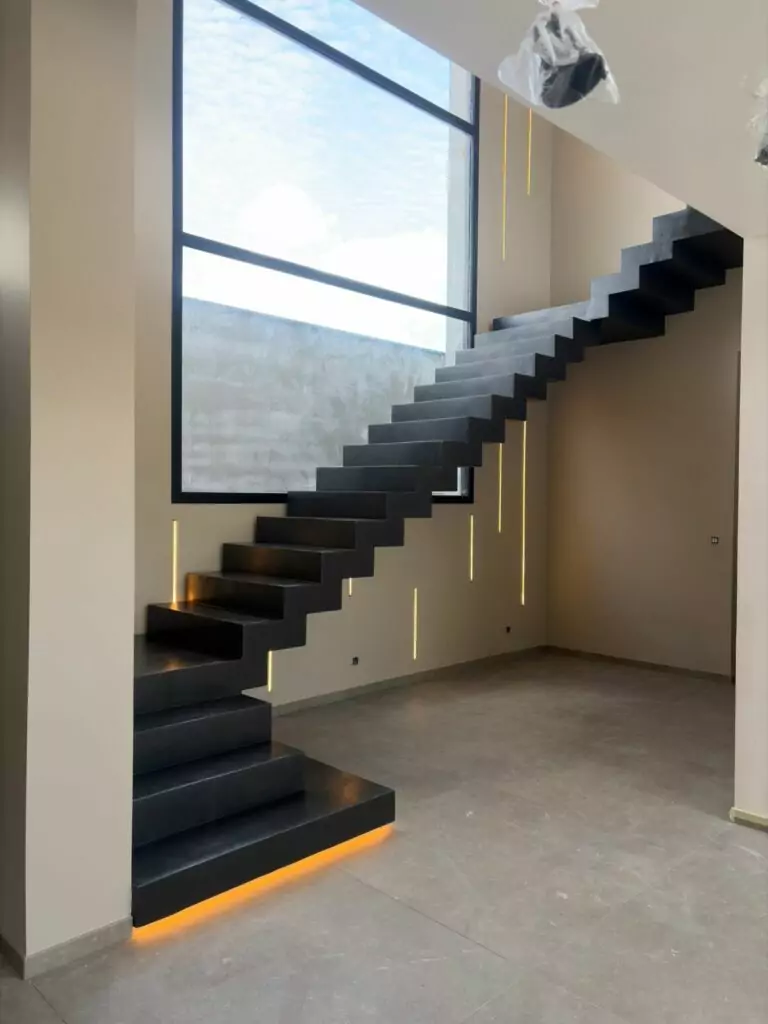
Protection is an integral part of microcement
Day-to-day performance depends on the relationship between the substrate, mortar, color, and finish.
From the substrate to the complete system
Marius Aurenti’s history began with the protection of mineral surfaces. This expertise continues in every microcement system: the mortar creates the material, while the finish provides resistance to stains, water, foot traffic, and maintenance products.
|
6 |
Protection |
Varnish, impregnation, or finishing system selected according to the intended use |
|
5 |
Mineral Stain (optional) |
Color uniformity, decorative effects, and façade protection |
|
4 |
Second coat |
Material, nuance, and surface closure |
|
3 |
First coat |
Builds the specified thickness |
|
2 |
Preparation / Primer |
Adhesion, flatness, reinforcement, and treatment of critical details |
|
1 |
Substrate |
Screed, concrete slab, compatible tile, or built structure |
A bedroom, bathroom, kitchen, restaurant, terrace each require a different combination of products. The specification connects the desired appearance with the realities of the intended use.
Professional craftsmanship completes the formulation
Assessment, preparation, and working times all contribute to the final quality.
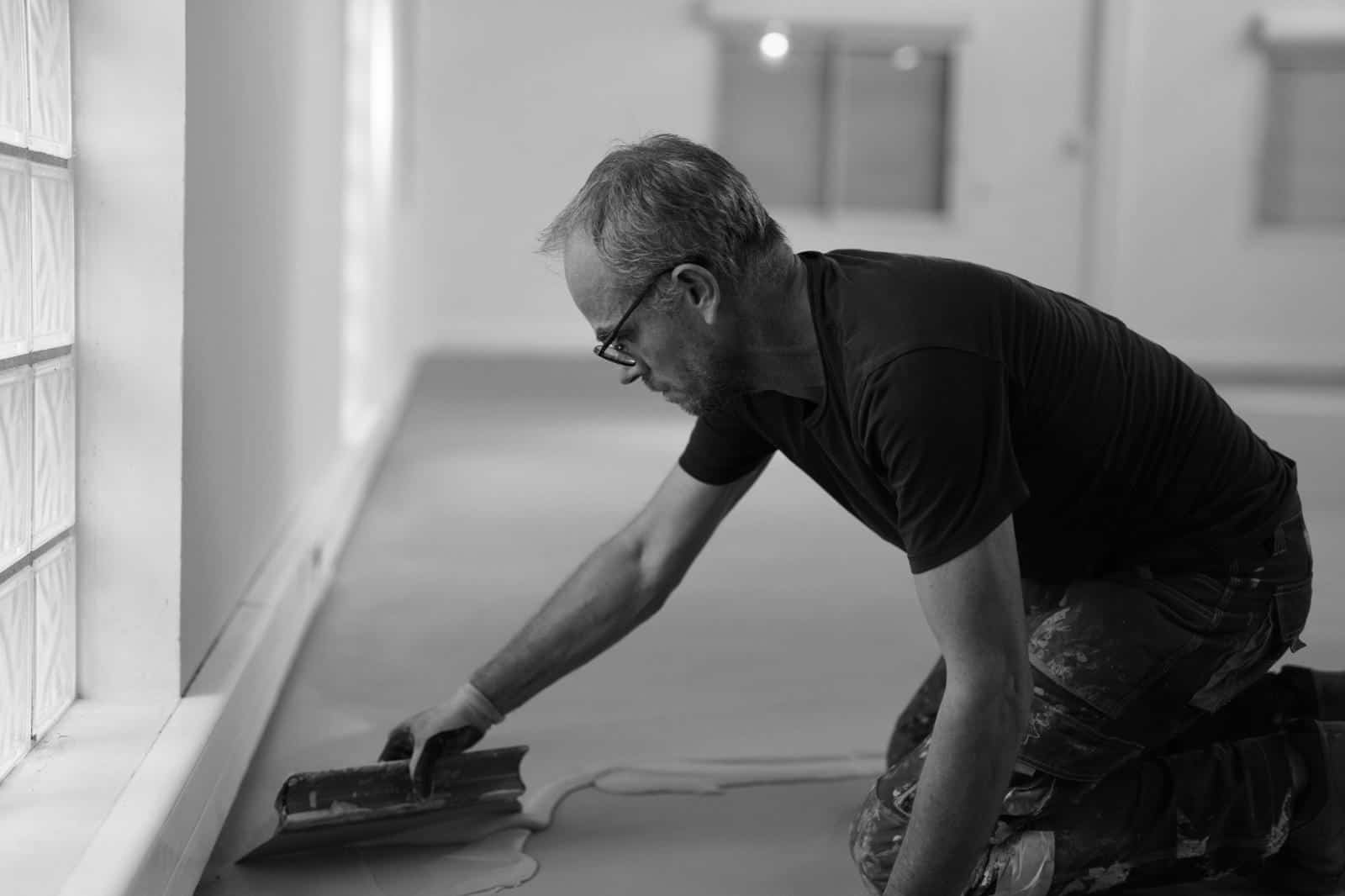
From the laboratory to the jobsite
Performance is built at every stage: substrate assessment, preparation, weighing, mixing, material quantity, open time, sanding, and protection.
L’École des Matières teaches these protocols to applicators. Feedback from jobsites contributes to the ongoing development of formulations, tools, and technical data sheets.
The network of specialized professionals supports residential, commercial, and hospitality projects in France and internationally.
“On a floor, the result begins with the substrate assessment. The specified material quantity and open time provide consistency. The artisan can then focus on transitions, corners, and the light within the space.”
Thomas Renaud — Artisan Applicator, Provence — Expert network
Since 1992, teaching professional craftsmanship
Since 1992, Marius Aurenti has trained professionals in substrate assessment, preparation, system installation, application techniques, and project handover.
The Qualified Artisan program, created in 2007, gradually gave rise to the Expert Network. Practical assessments, masterclasses, e-learning, and ongoing technical support maintain a shared culture of quality.
Expert status distinguishes a select community of independent professionals who are trained in Marius Aurenti systems, work regularly with the brand, and remain committed to continuous professional development. Each project remains under the responsibility of the professional completing the installation.
A material supported by trained professionals
For projects requiring specific expertise, our teams can refer the request to an independent professional suited to the location, substrate, and intensity of use.
Two services are available: "Entrust my project" and "Discover the Expert program".

Microcement for every space
Each application combines an architectural intention with a technical specification.
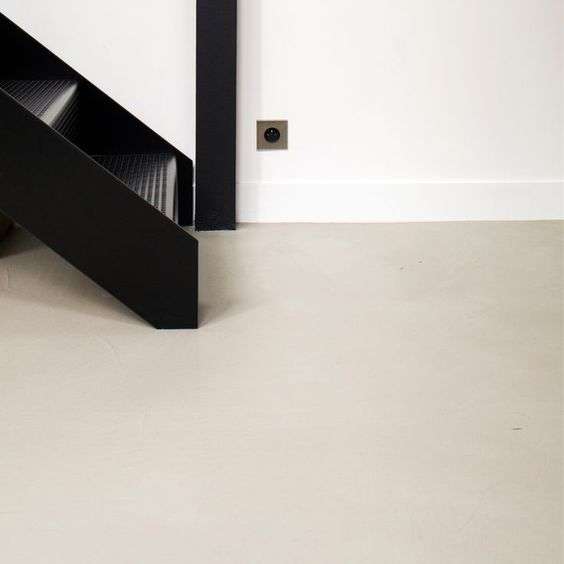
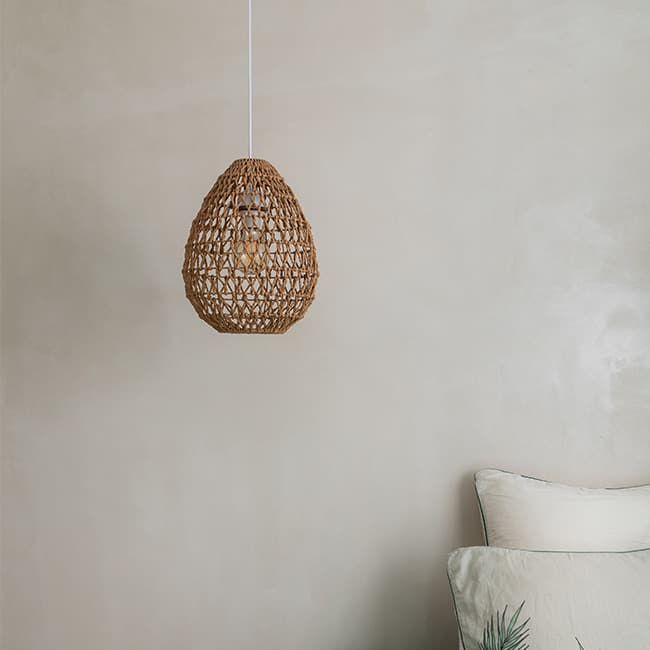
Construction and renovation: understanding the substrate
A successful project begins with an assessment of the substrate’s stability, cohesion, moisture level, and flatness.
Which substrates can receive microcement?
|
Substrate |
Application |
Main Requirement |
|
Cement screed or concrete slab |
Suitable |
Cohesive, dry, stable, and properly prepared substrate |
|
Radiant floor heating |
Suitable when installed according to protocol |
Heating cycle completed, stable substrate, and movement joints respected |
|
Existing tile |
Possible after assessment |
Suitable adhesion and stability, followed by appropriate sanding and priming |
|
Drywall |
Suitable for wall applications |
Adequate rigidity, treated joints, and proper preparation |
|
Wood or panels |
Suitable, except over solid wood |
Dimensional stability and high-quality mechanically fastened and bonded assemblies |
|
Terracotta or damp substrate |
Not recommended where oil or wax has penetrated deeply; |
Prior surface and moisture assessment is mandatory |
Renovating with precision
The minimal thickness makes renovation easier when the substrate is compatible. Stable tile can receive a dedicated system after proper preparation.
Moving, damp, or insufficiently cohesive substrates require further assessment and appropriate corrective work.
Structural joints must retain their original function. Understanding their placement is part of both the assessment and the final design.
Bathrooms, exteriors, and demanding areas
Water, temperature variations, and intensive use require dedicated systems.
The bathroom as a seamless volume
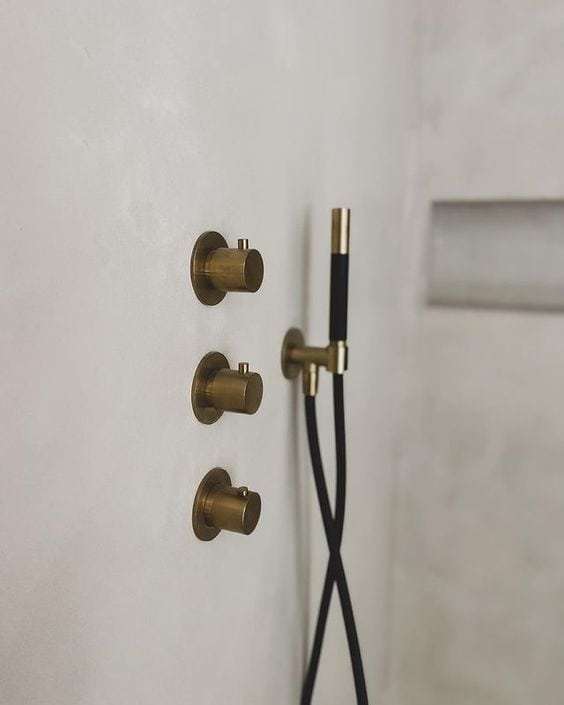
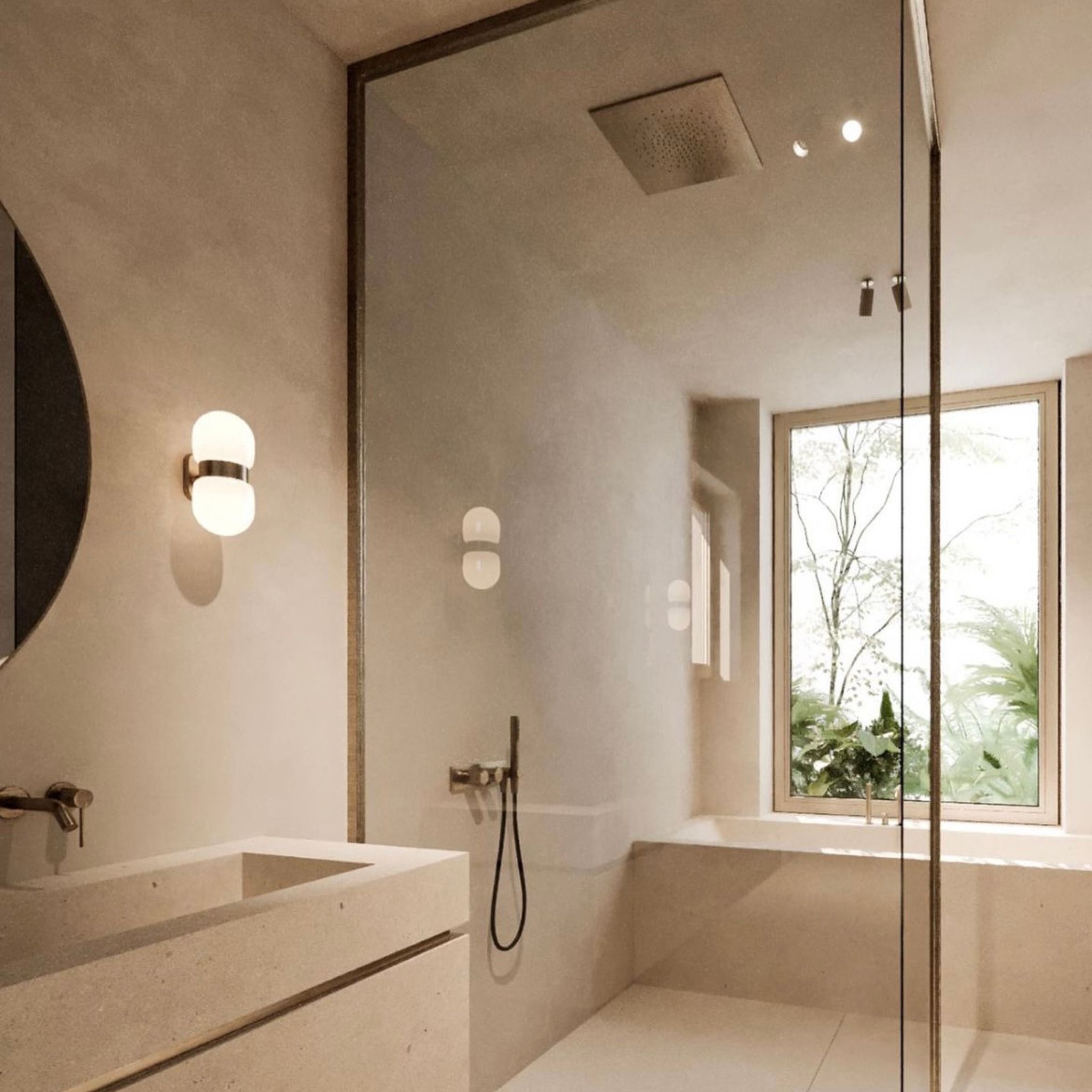
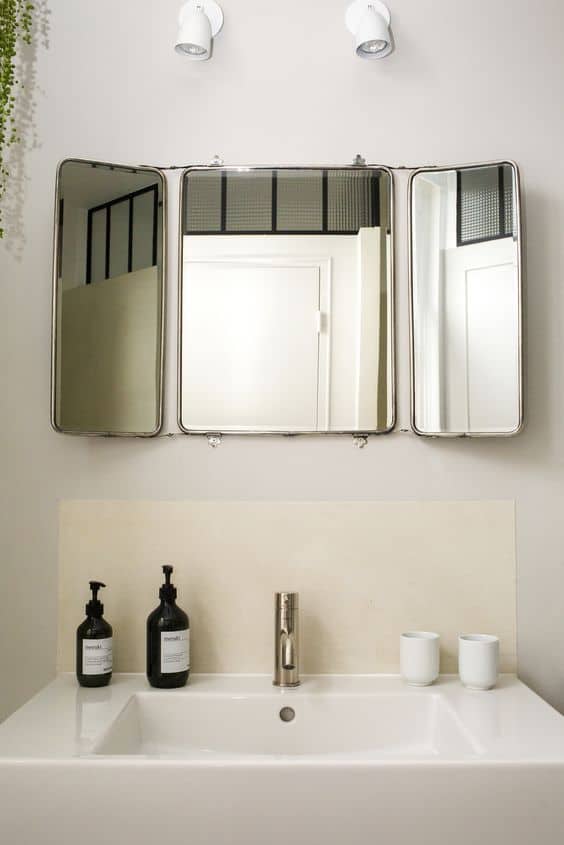
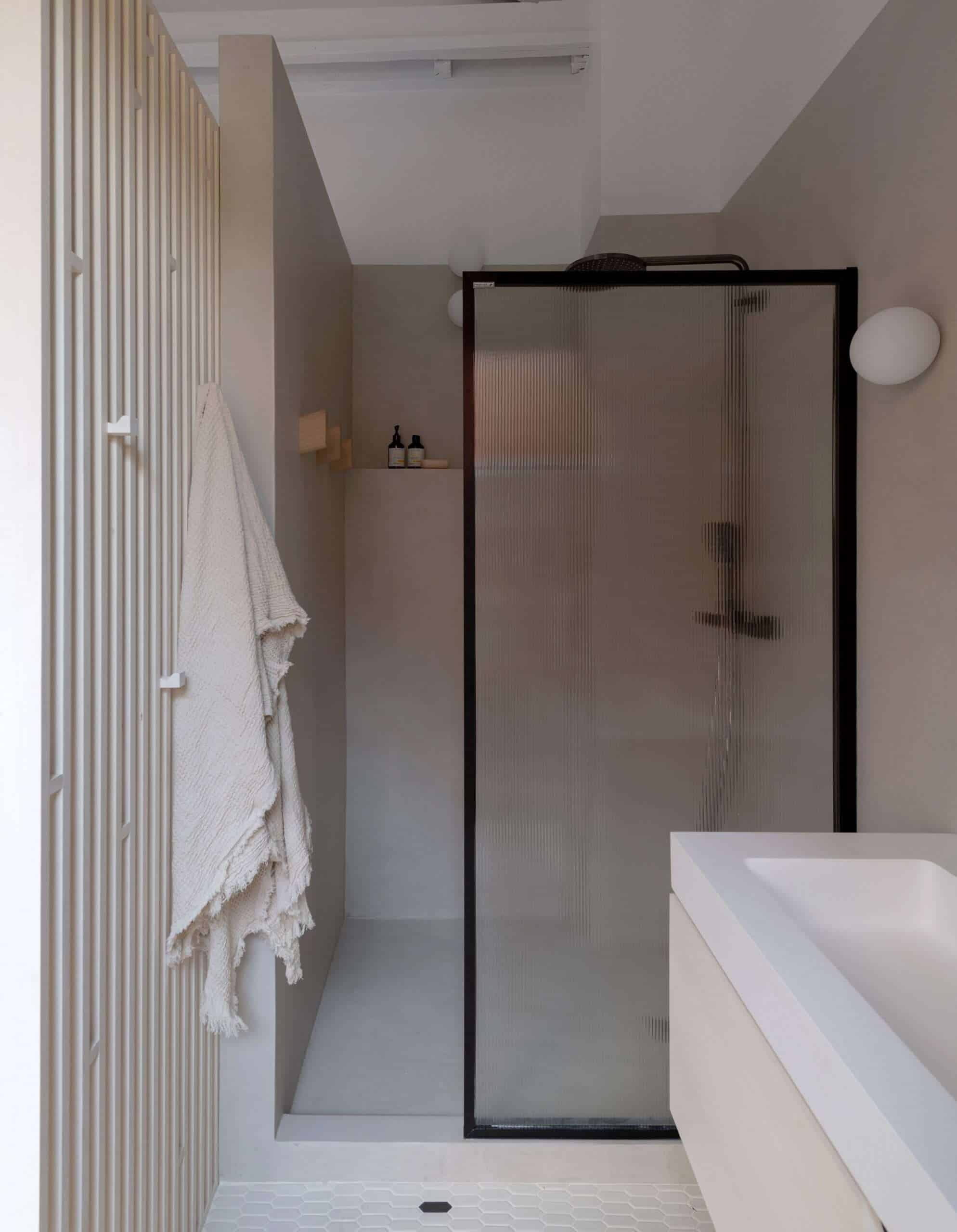
Microcement can cover floors, walls, sinks, and built structures. The specification distinguishes between decorative areas, regularly wet areas, and surfaces exposed to direct water.
Waterproofing, slopes, drainage, and protective finishes must be defined before application.
Exterior applications
Terraces and pool decks are exposed to sunlight, rain, thermal cycles, and possible standing water. The exterior system combines a mortar, preparation products, and a finish designed for these conditions.
The substrate and drainage slopes determine the project’s feasibility.
Understanding the cost of microcement
The cost reflects the surface area, substrate, material quantity, protection, and quality of installation.
The true cost of a complete system
|
Component |
What it includes |
Effect on the budget |
|
Preparation |
Assessment, sanding, primer, leveling corrections, and waterproofing |
Varies according to the condition of the substrate |
|
Material |
Quantity of mortar required for the application and surface, determining performance, strength, and service life |
Packaging and coverage affect the price per square meter |
|
Protection |
Type and quantity of protection applied according to the intended use |
Directly influences stain resistance, slip resistance, and appearance (matte, velvet, satin, or gloss) |
|
Installation |
Labor, critical details, surface corrections, and drying times |
Small areas, corners, existing-tile renovations, and complex details require additional time |
|
Logistics |
Transportation, access, storage, and jobsite organization |
Varies according to distance and project location |
Why thickness matters
MORPHEO M700 takes its name from quartz sand with a reference particle size of approximately 700 microns, or 0.7 millimeter.
To create a durable finish, these grains must be fully embedded within a sufficiently dense cementitious and polymer matrix. The particle-size distribution allows the sand grains to interlock like a precise assembly, while the specified thickness provides enough surrounding material to ensure the cohesion of the finish.
A system approximately one millimeter thick mechanically leaves less material around each grain than a system specified at a greater thickness.
Even after optimizing the cement, quartz, and polymers, thickness remains a determining factor in overall strength. Experience and testing developed through the sixth generation support specifications of approximately 3 kg/m² for light residential flooring and 4 kg/m² for intensive use.
Reducing coverage significantly below these levels creates a composition closer to a decorative wall finish and increases the risk of premature aging when used on floors.
Comparer les offres sur des bases vérifiables
MORPHEO M700 takes its name from quartz sand with a reference particle size of approximately 700 microns, or 0.7 millimeter.
To create a durable finish, these grains must be fully embedded within a sufficiently dense cementitious and polymer matrix. The particle-size distribution allows the sand grains to interlock like a precise assembly, while the specified thickness provides enough surrounding material to ensure the cohesion of the finish.
A system approximately one millimeter thick mechanically leaves less material around each grain than a system specified at a greater thickness.
Even after optimizing the cement, quartz, and polymers, thickness remains a determining factor in overall strength. Experience and testing developed through the sixth generation support specifications of approximately 3 kg/m² for light residential flooring and 4 kg/m² for intensive use.
Reducing coverage significantly below these levels creates a composition closer to a decorative wall finish and increases the risk of premature aging when used on floors.
Architecture, design, and recognition from the press
Awards and publications complement technical performance with an independent perspective on the material.
A material recognized in architectural projects and the media
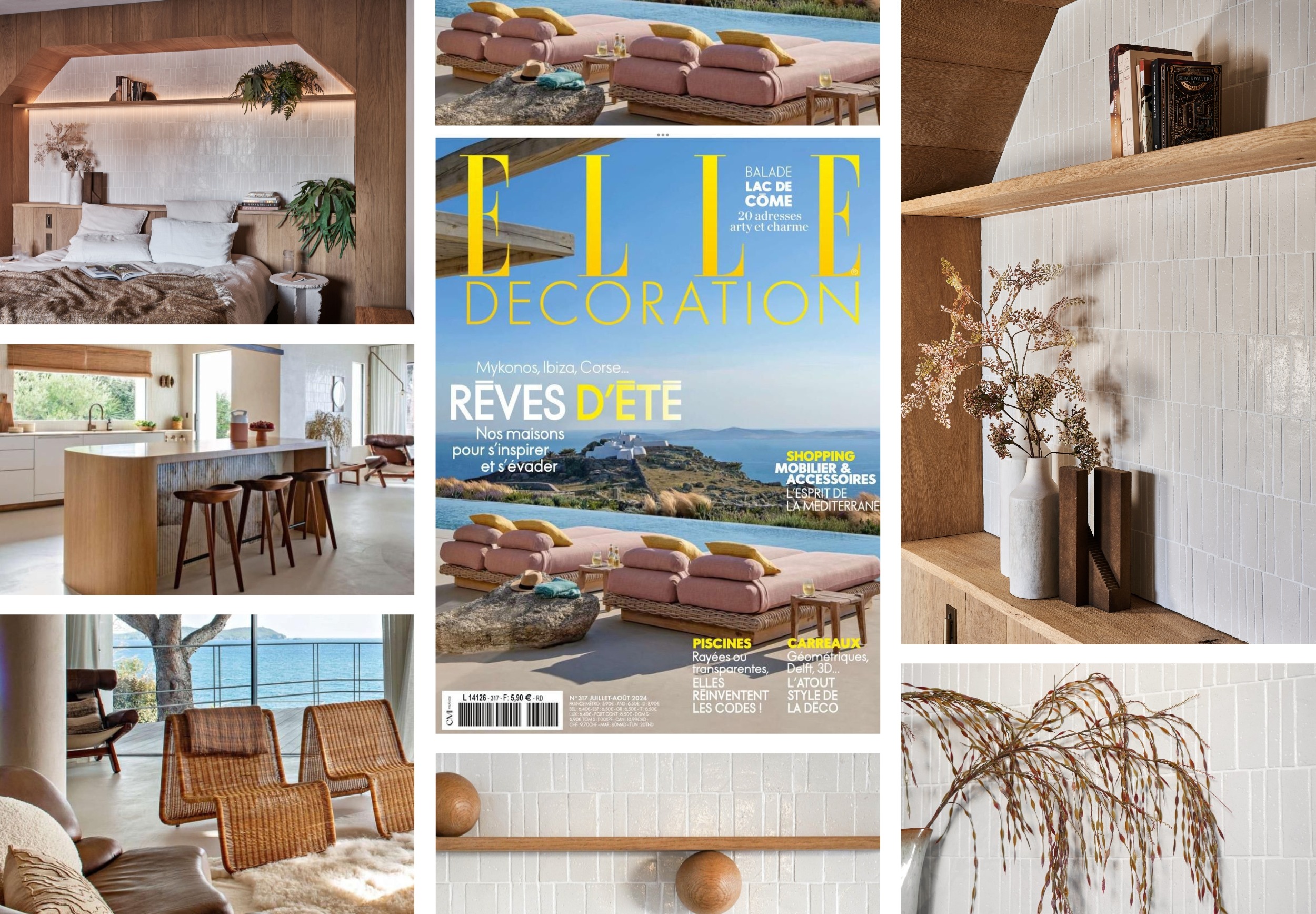
Marius Aurenti materials have been featured in residences, hotels, restaurants, boutiques, and architectural projects in France and internationally.
These publications and distinctions reflect the work carried out alongside architects, artisans, designers, and project owners.


“A material earns its legitimacy when the emotion of a place, the perspective of the design professional, and measurable technical performance all tell the same story.”
Microcement FAQ
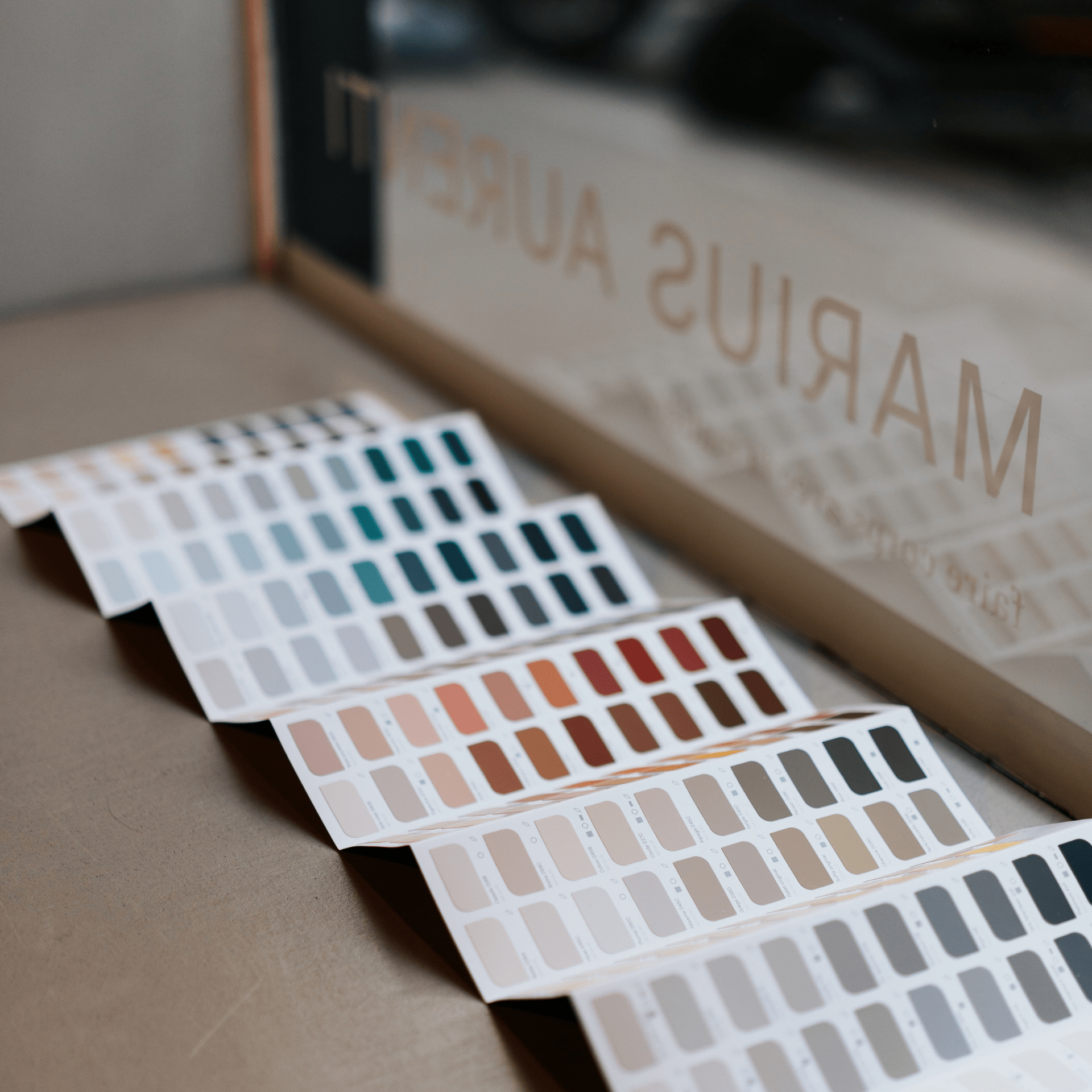
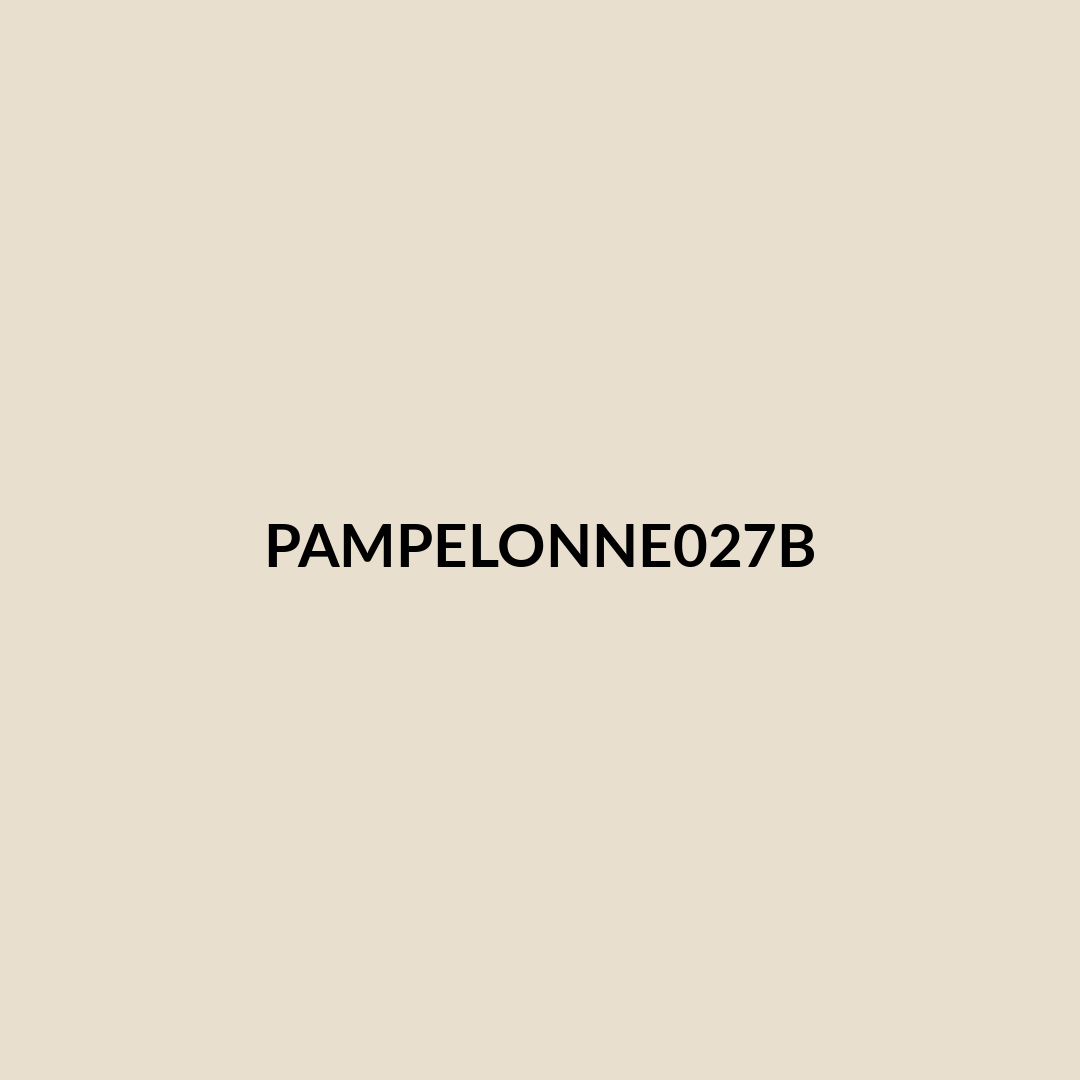
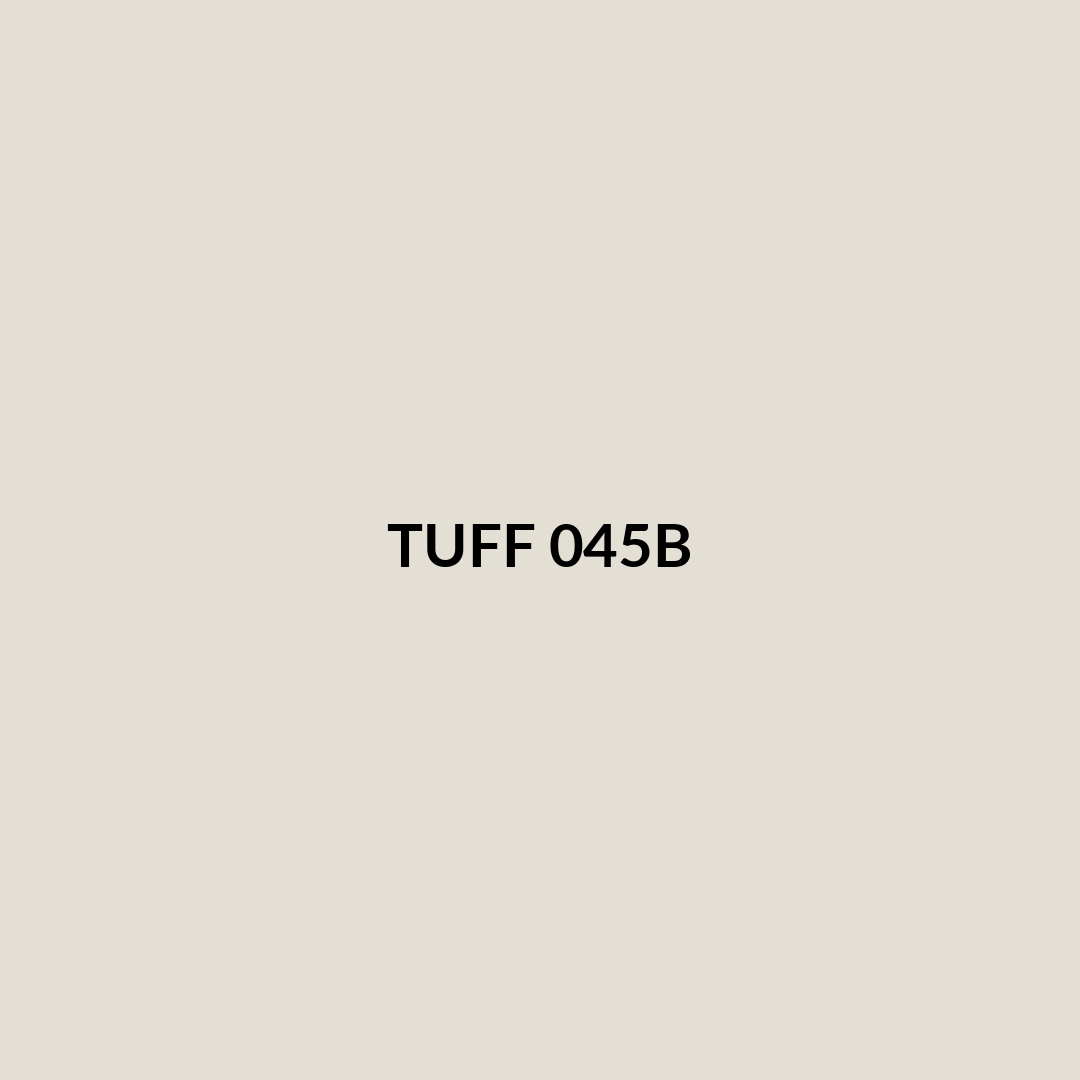
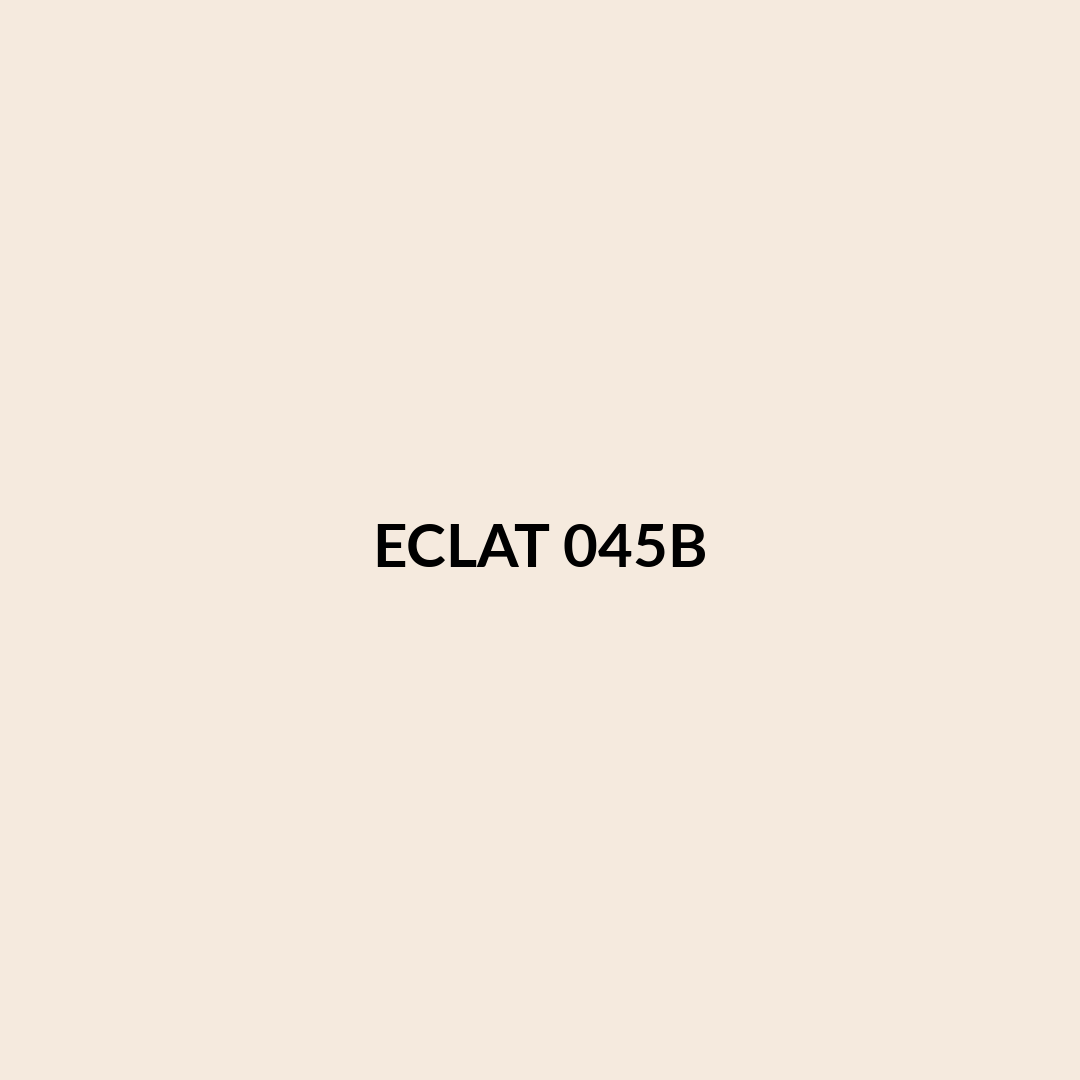
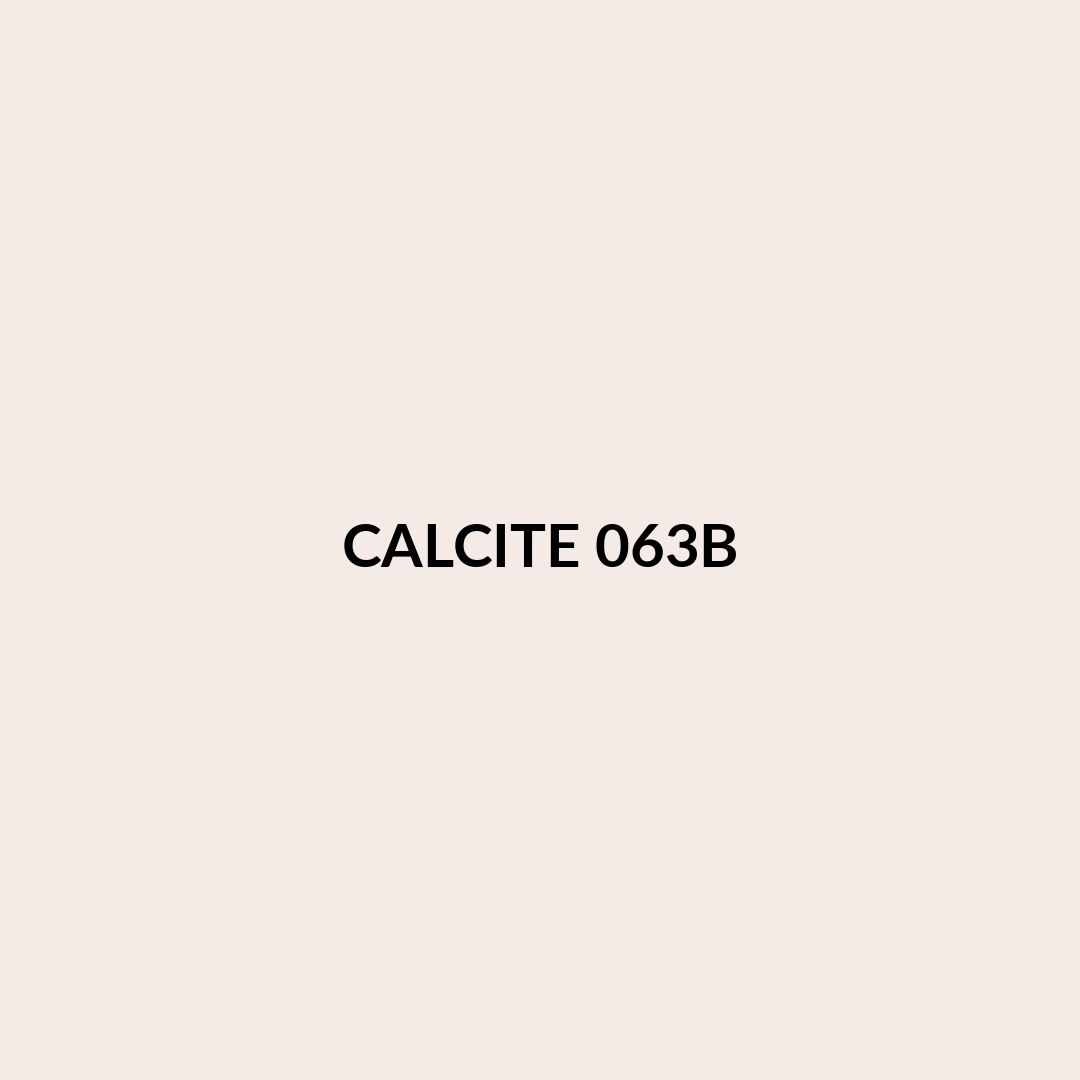
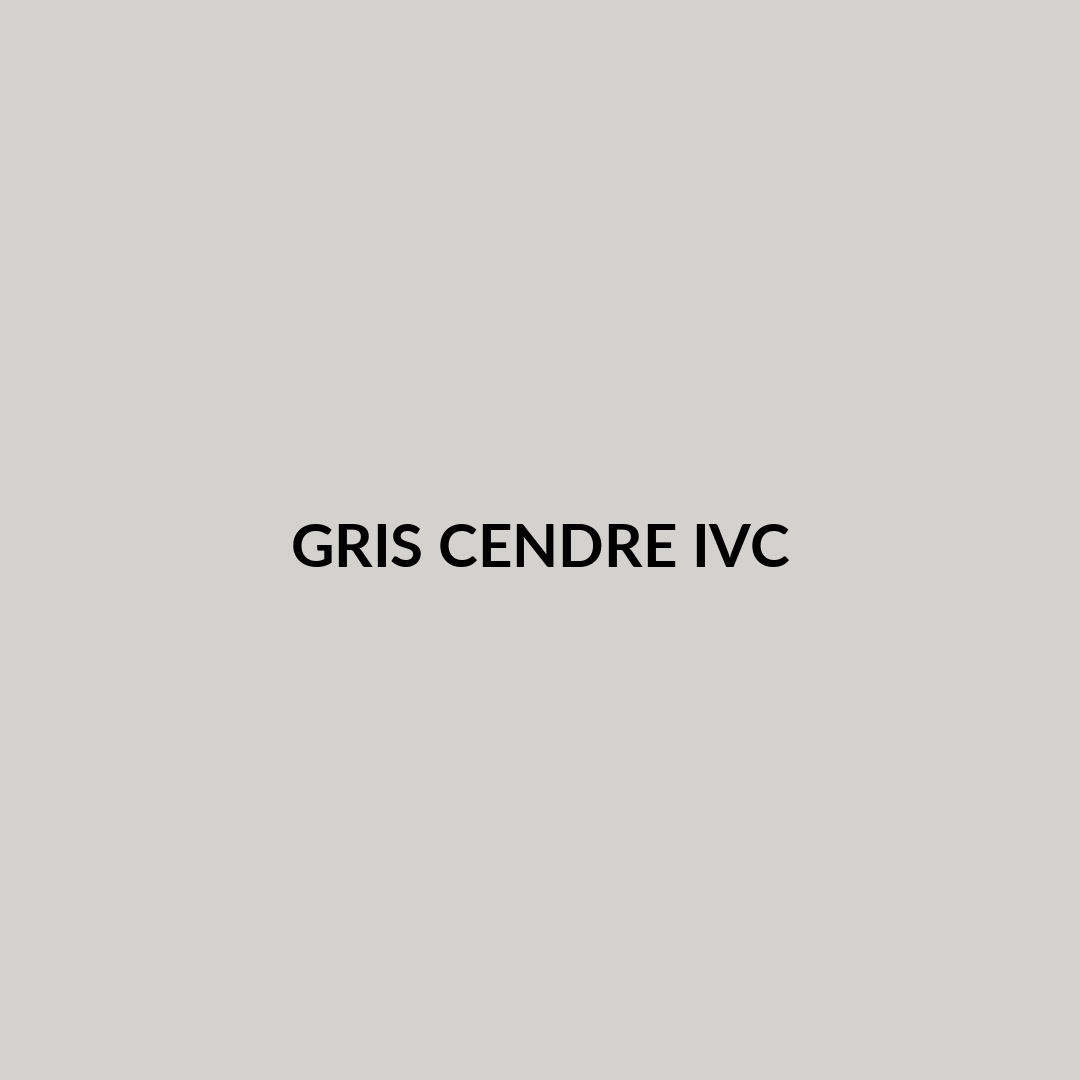
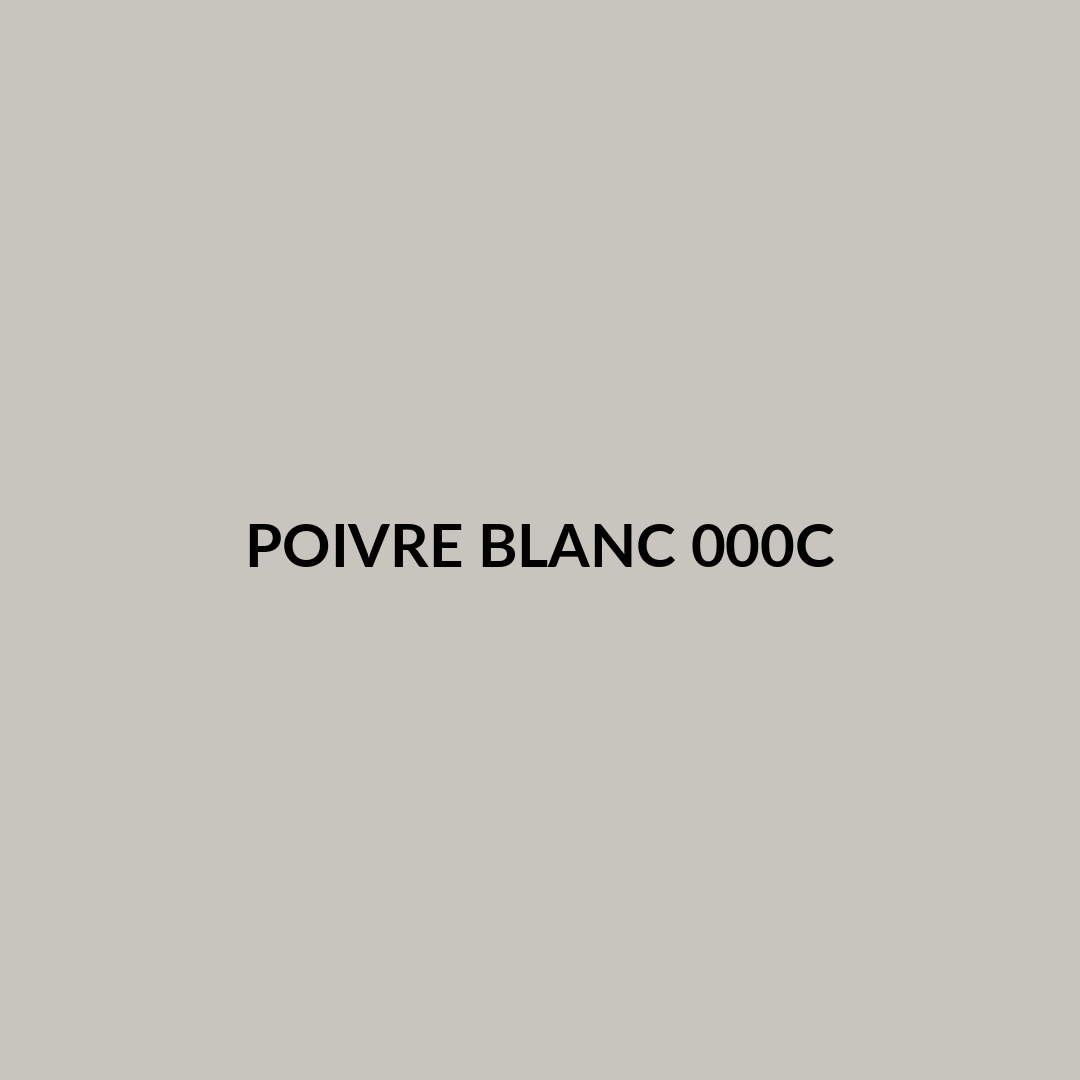
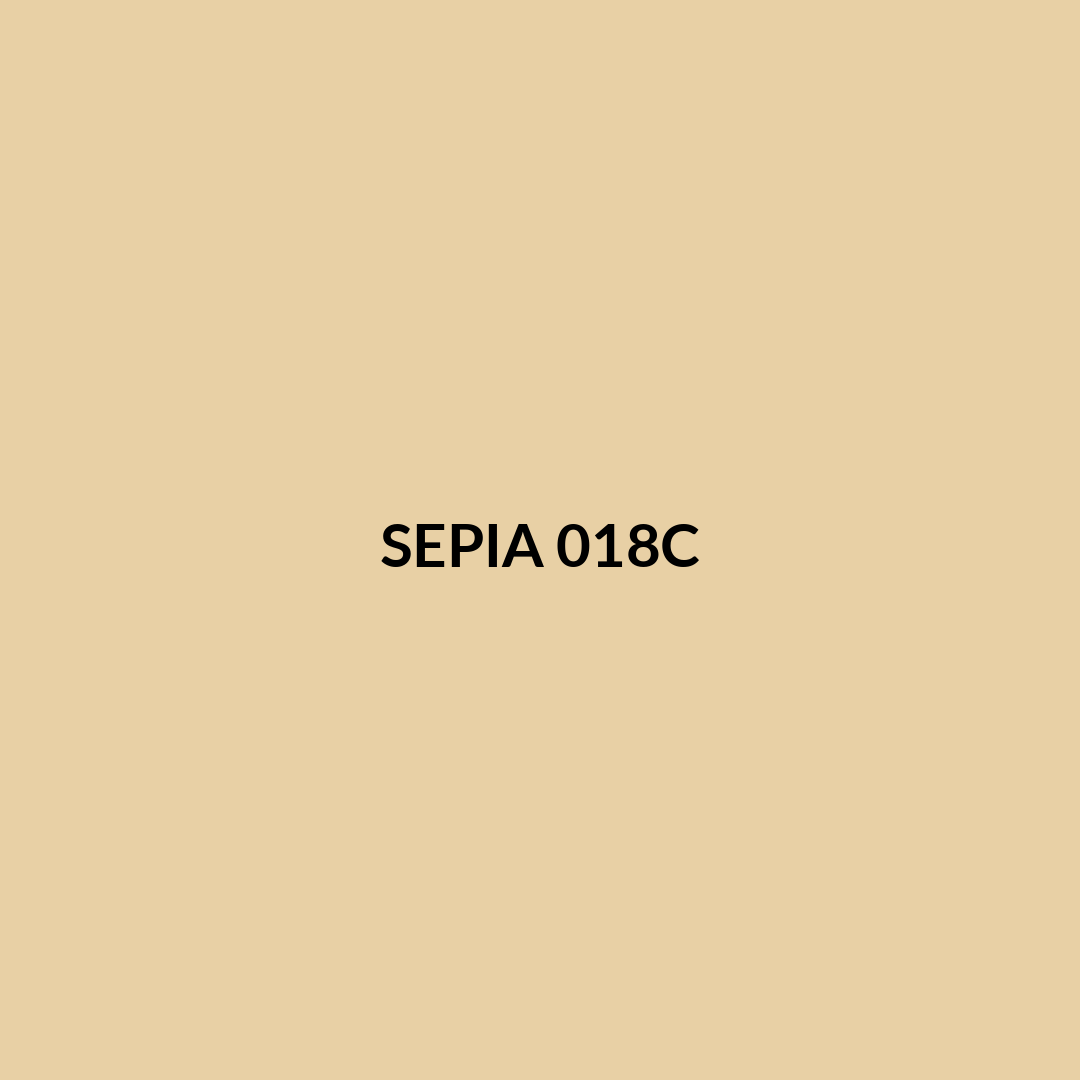
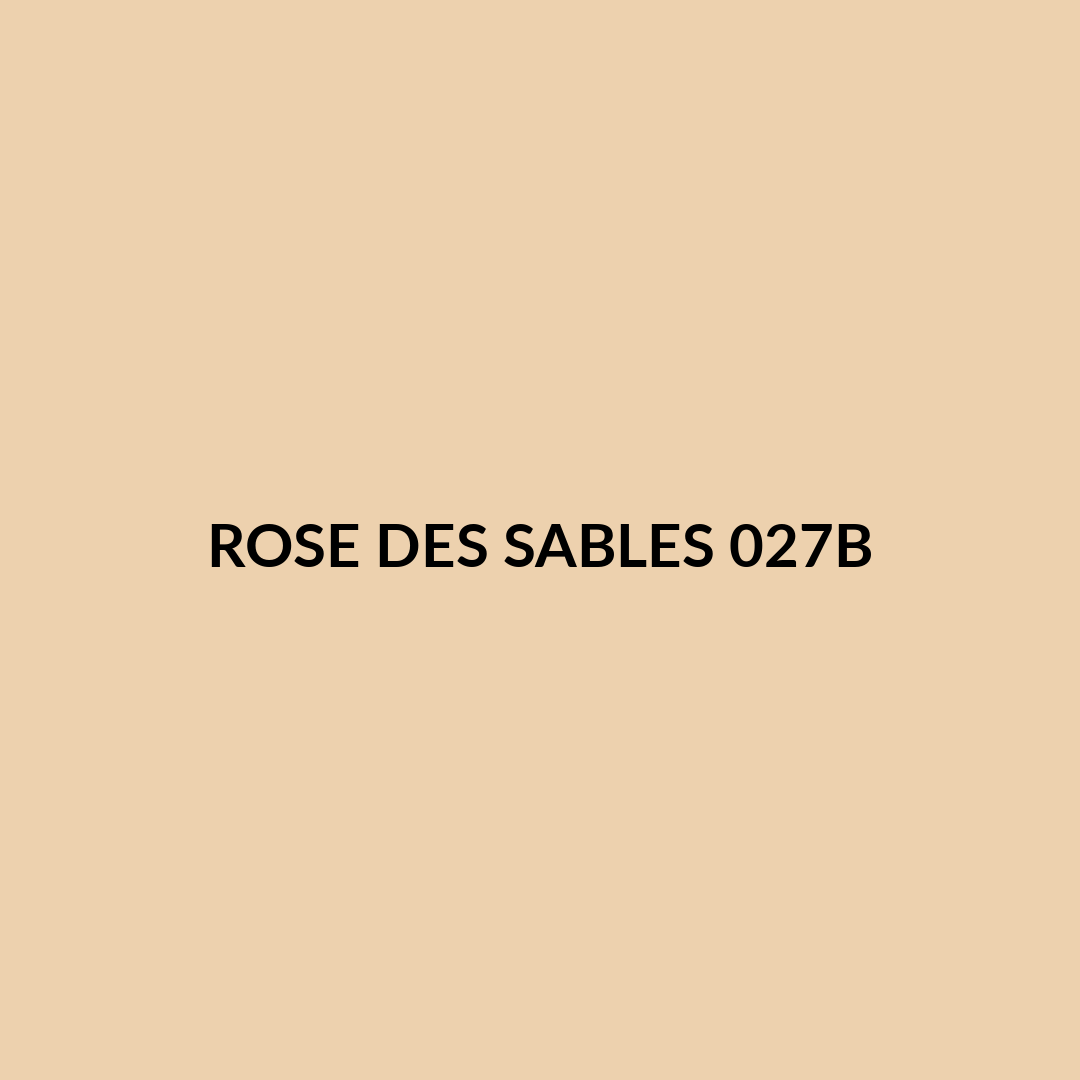
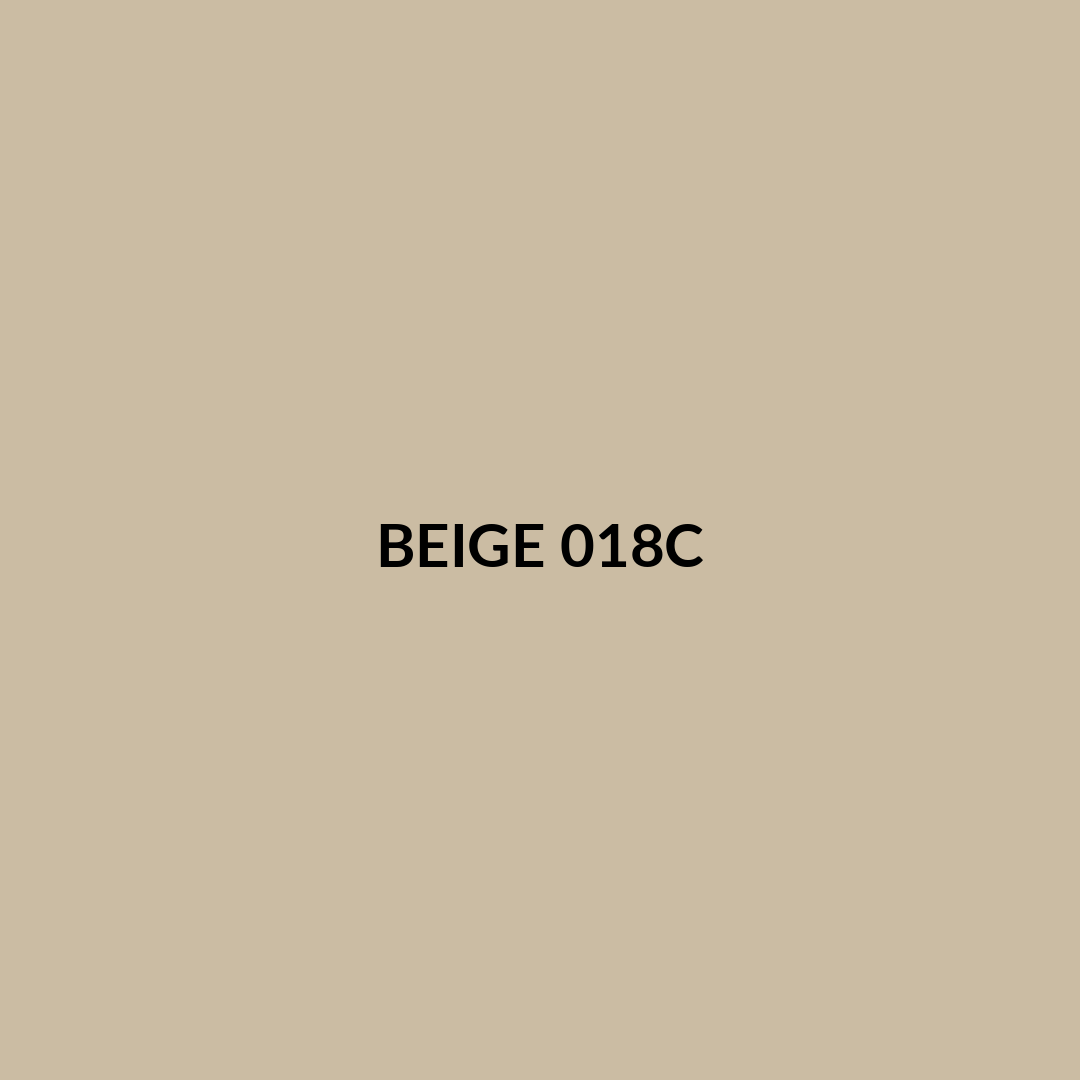
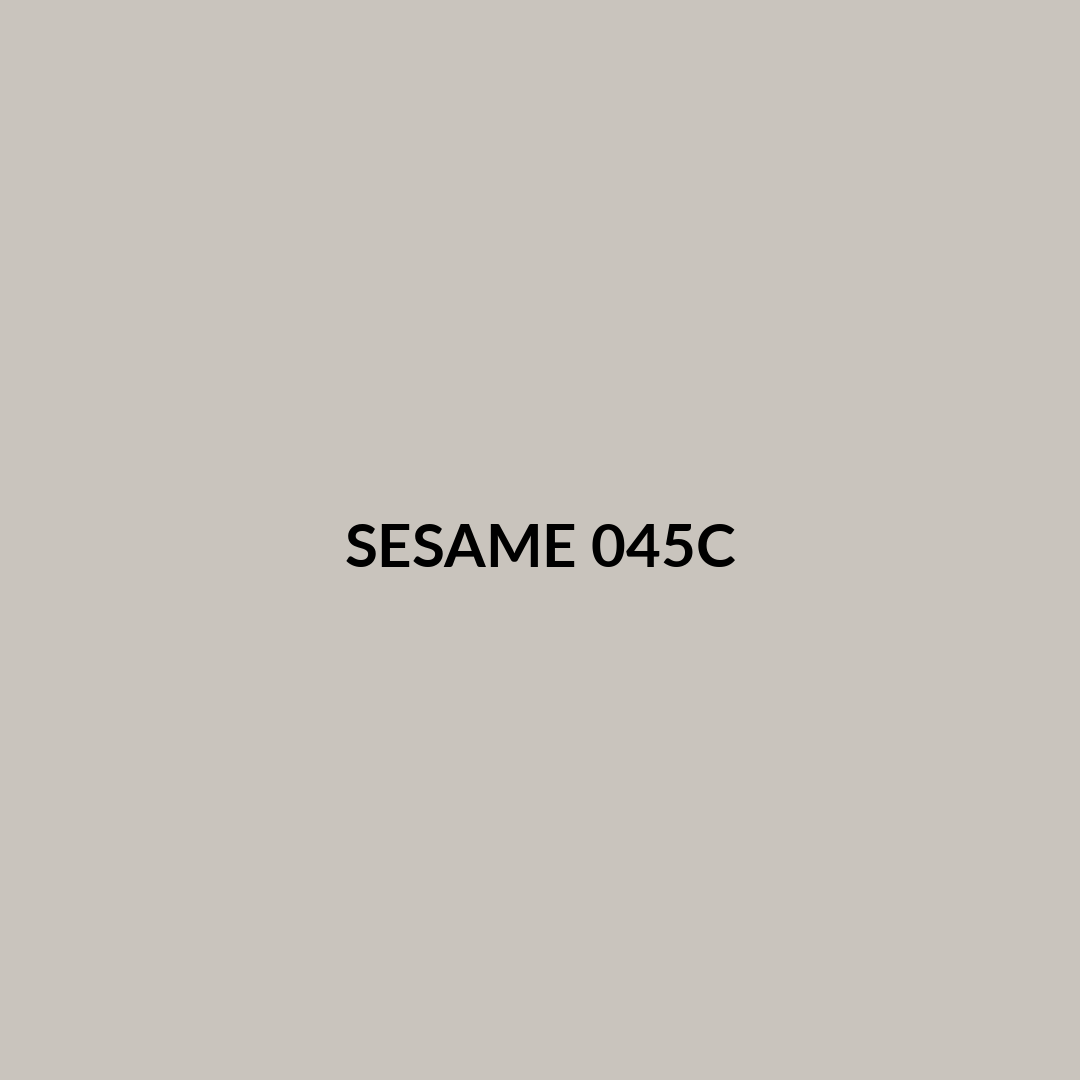
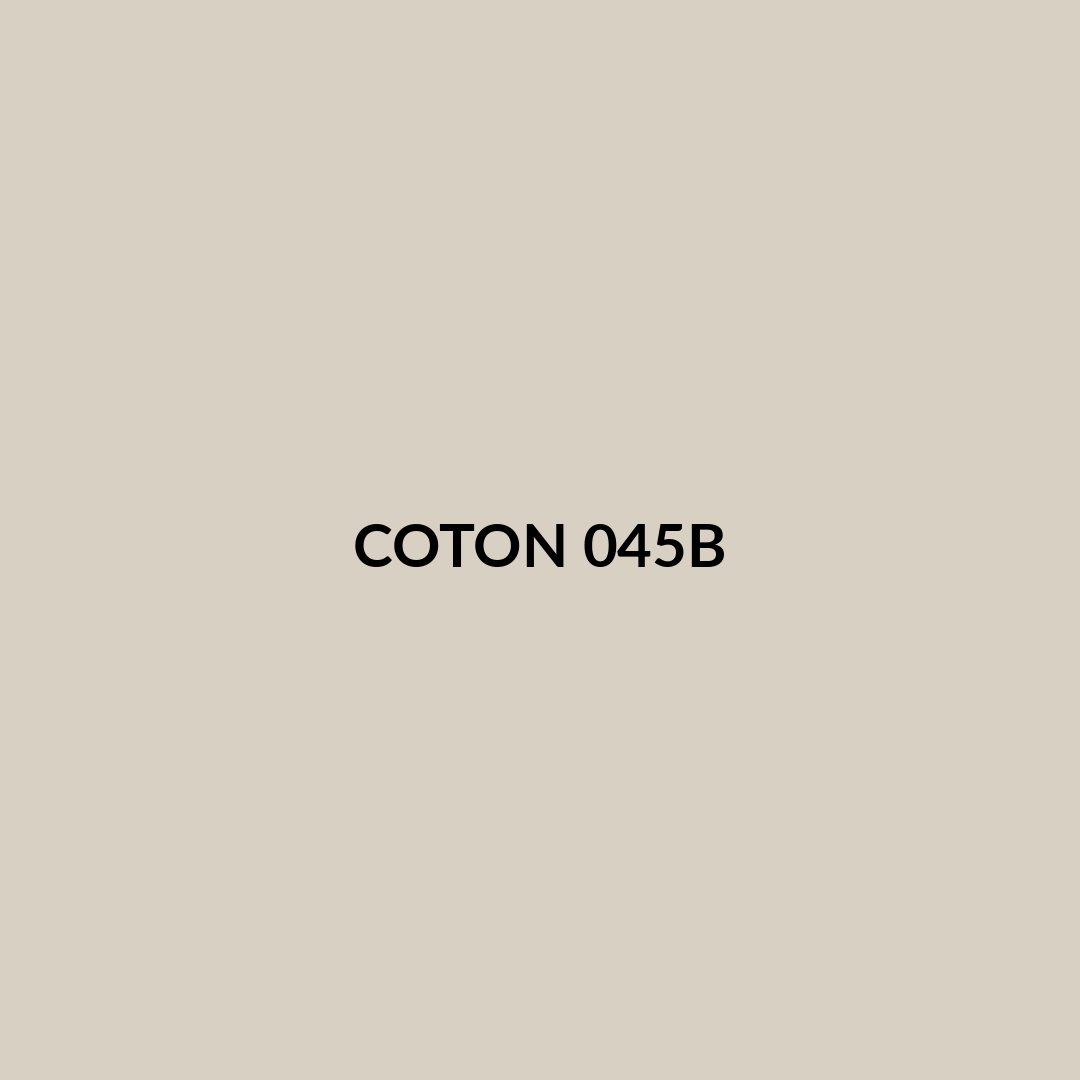
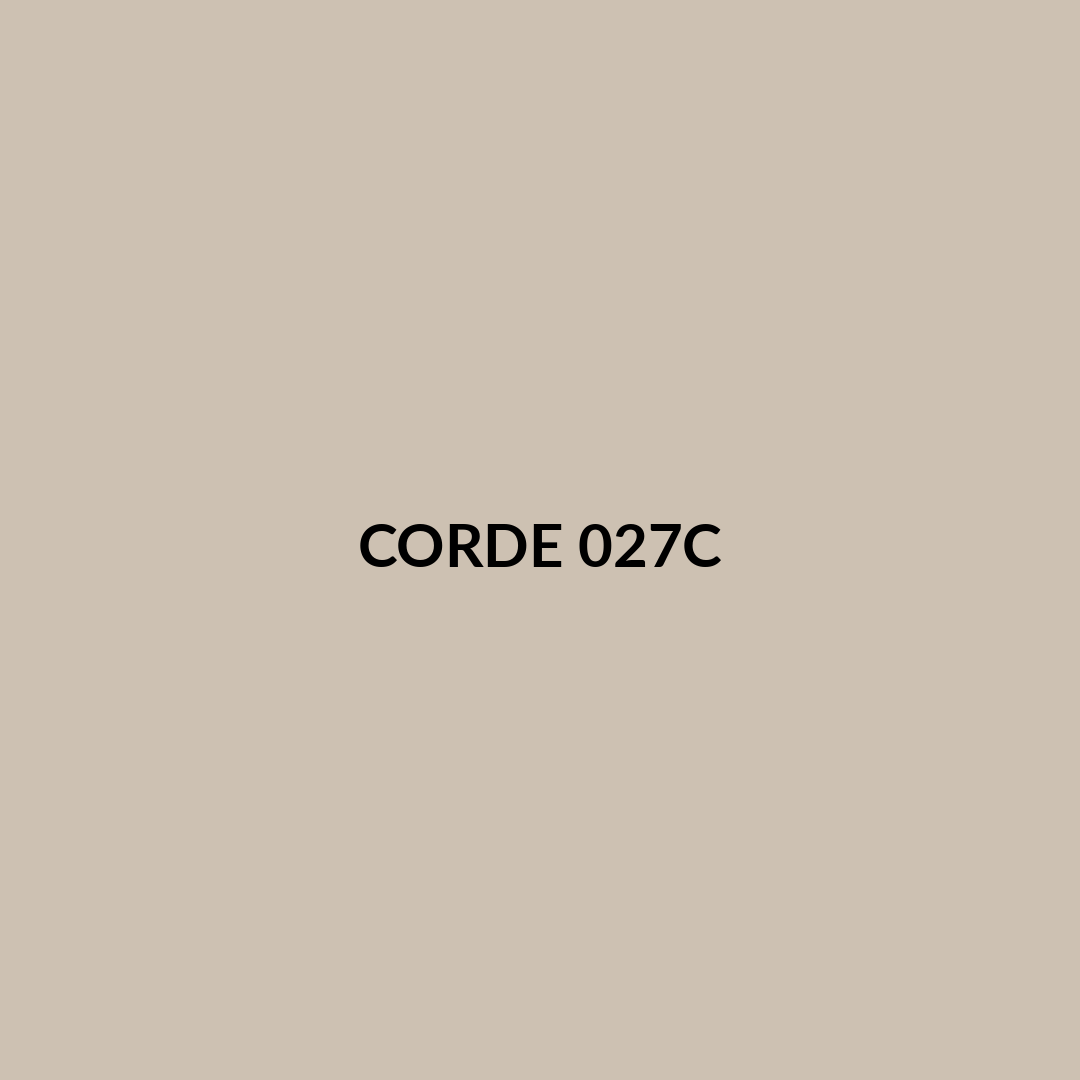
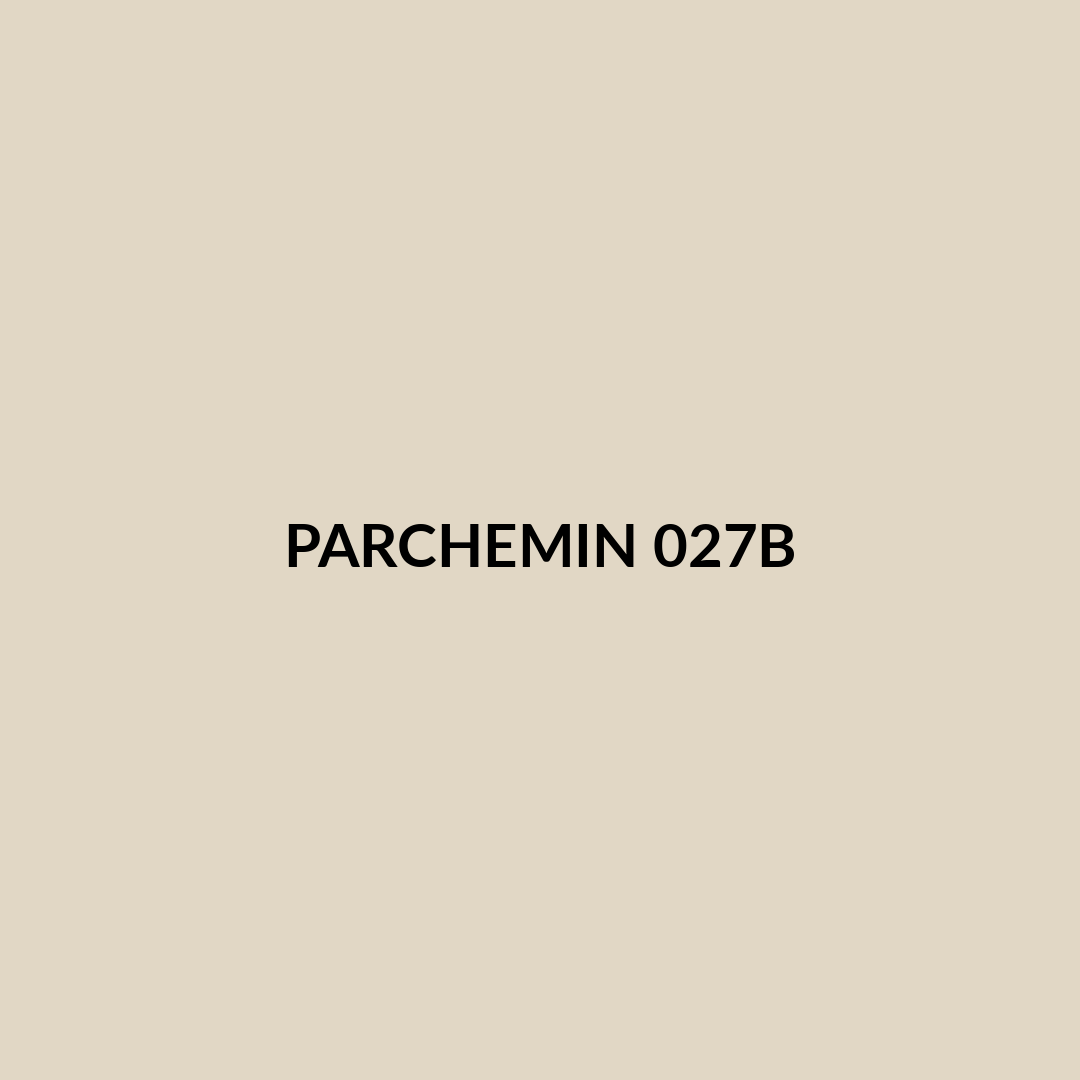
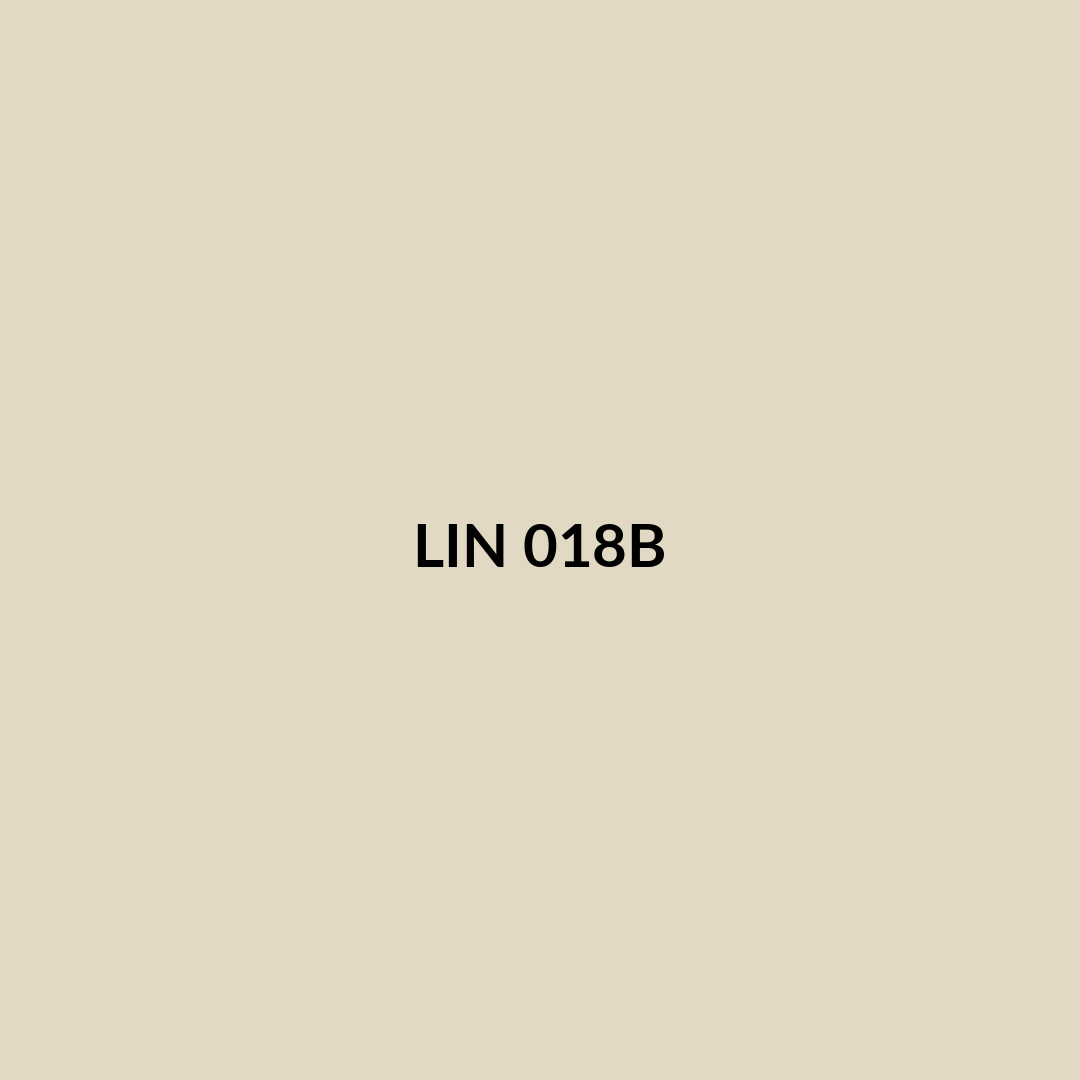
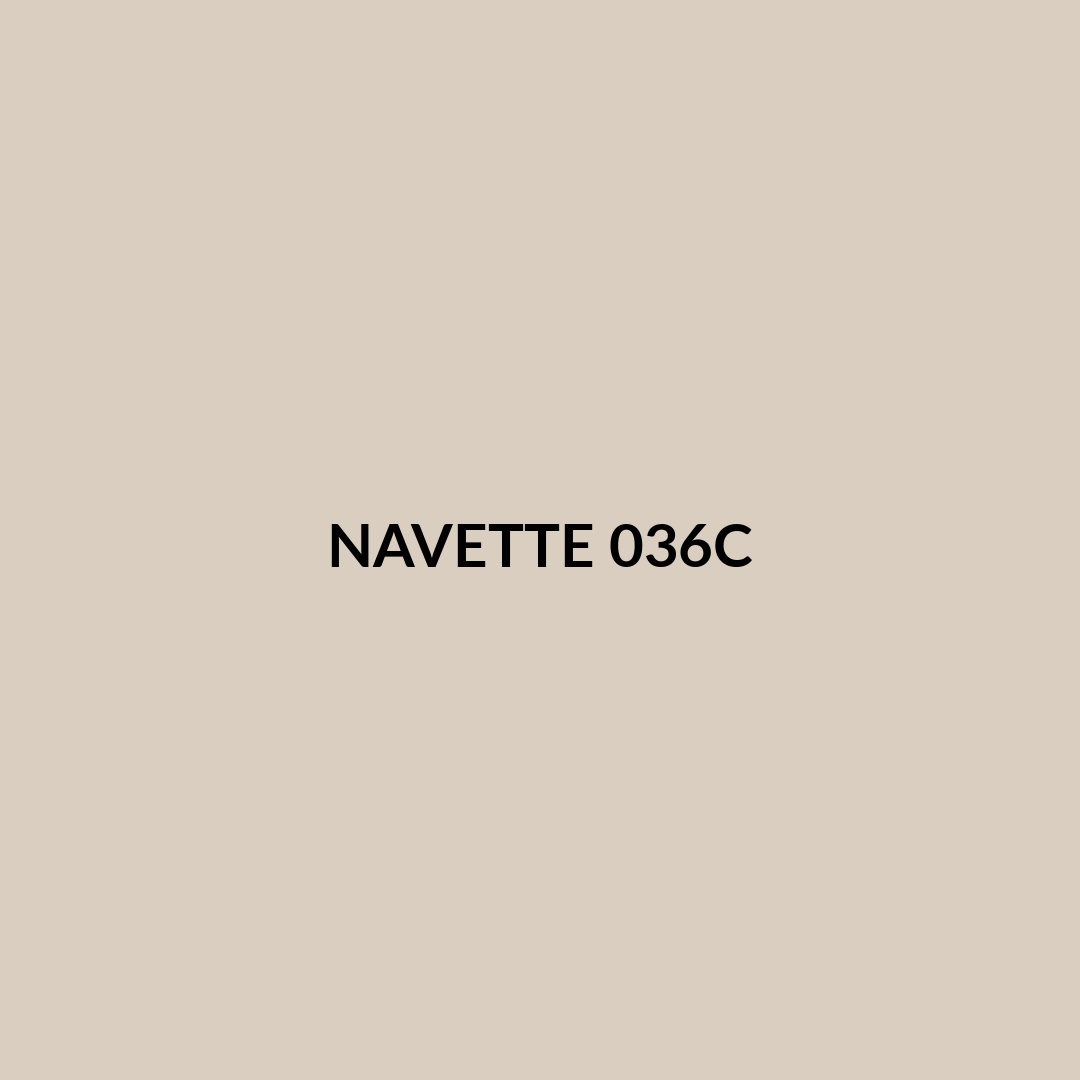
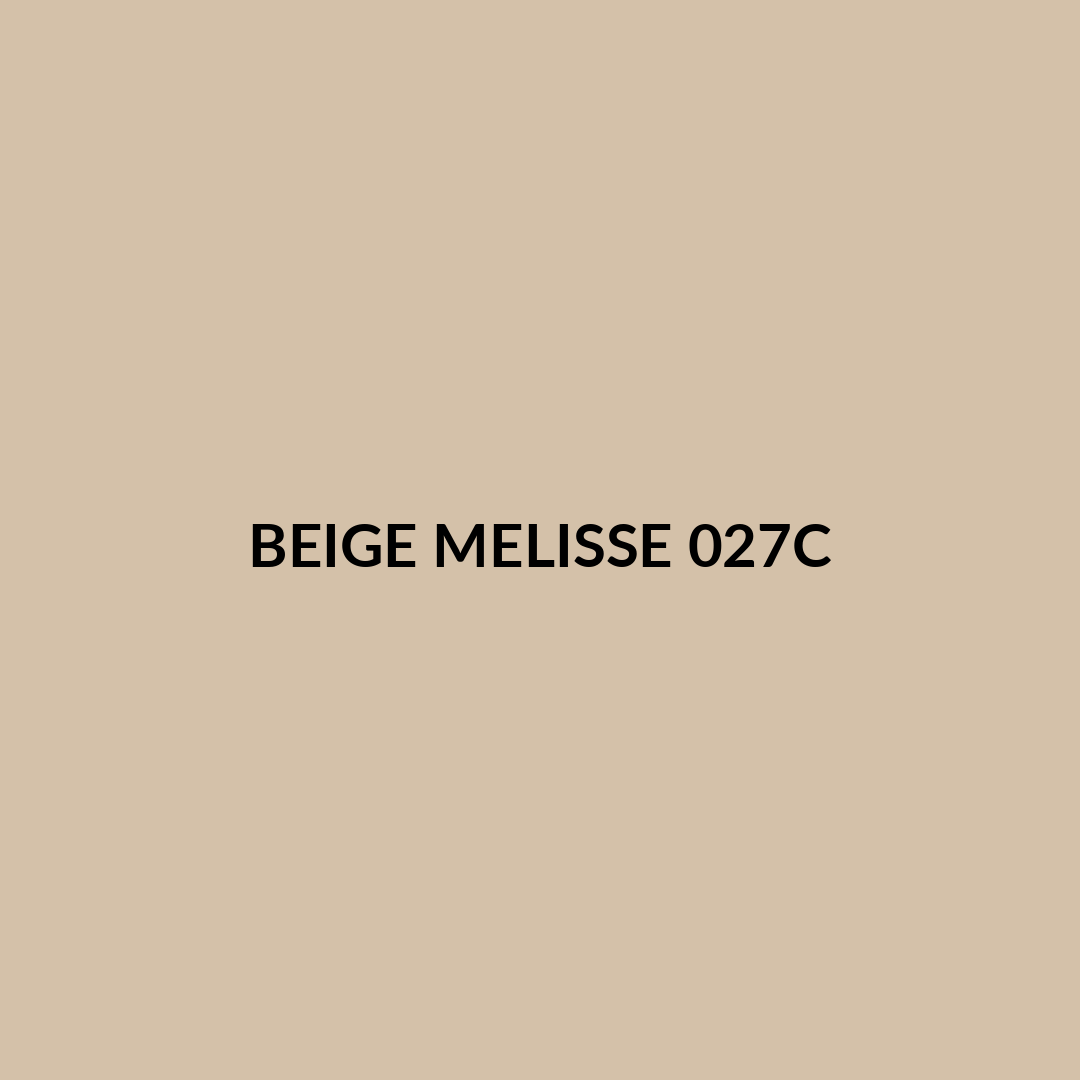
Marius Aurenti Microcement Color Chart: 87 shades
























Microcement kits
-
Kit Béton Ciré Terrasse Marius Aurenti MORPHEO M1200
Price range: 1040.00€ through 3589.00€ -
Kit Béton ciré Sol Intérieur Marius Aurenti MORPHEO
Price range: 332.00€ through 2822.00€ -
Kit Béton Ciré pour Sol Intérieur sur Carrelage – Marius Aurenti MORPHEO
Price range: 817.00€ through 8174.00€ -
Kit Béton Ciré pour Salle de Bain Marius Aurenti MORPHEO
Price range: 340.50€ through 2617.50€ -
Kit Béton ciré pour Plan de Travail & Mobilier Marius Aurenti MORPHEO
Price range: 340.50€ through 594.20€ -
Kit Béton ciré pour Escalier intérieur Marius Aurenti MORPHEO
Price range: 312.70€ through 2128.50€ -
Joint Colle MS Polymer
Price range: 9.00€ through 98.00€